

The Art of Forging Art / Authenticate Your Artwork:Han van Meegeren’s painting“The Last Supper I” at the 11th Art and Antiques Fair in Rotterdam on August 31, 1984. – In the summer of 1938, Han van Meegeren moved to Nice. In 1939, he painted “The Last Supper I” in the style of Vermeer. Image: GaHetNa Nationaal Archief NL/Wikimedia.

Self-Portrait by Han van Meegeren (Public Domain)
Han van Meegeren, a Dutch painter who died in the mid-20th century, shares a strange and inglorious rivalry with Elmyr de Hory: they are arguably, to this day, the two most famous art forgers in history. Their truly fascinating lives and exploits fill the pages of 20th-century art history and are deeply rooted in their lack of success as original painters: they were extraordinary artists who, having failed to succeed in their own creative endeavors, devoted their time to developing an incredibly difficult skill: painting in the style of another.

In May 1945, Allied forces interrogated the banker and art dealer Alois Miedl about the newly discovered Vermeer. Based on Miedl’s confession, the painting was traced back to Han van Meegeren.GaHetNa (Nationaal Archief NL)Photographer Koos Raucamp
Tricking Museums
They were so skilled at it that they managed to make millions by deceiving museums, collectors, and above all, wealthy snobs who were too snobbish to dare subject their artworks to more thorough examinations that might have revealed the truth. In 1940, Han van Meegeren painted the work “The Supper at Emmaus.” It is an oil-on-canvas painting in the style of Vermeer, believed to be the most famous and well-executed forgery in history. This painting is, by the way, very interesting; Meegeren passed it off as an authentic Vermeer (a renowned Dutch painter and creator of the famous painting “Girl with a Pearl Earring”) and sold it as such, slipping it into museum collections for several years. But in reality, Vermeer never painted religious scenes (33 works by the Dutch painter are known), and “The Supper at Emmaus” is an oil painting by Caravaggio, the famous 17th-century Italian painter whose work bears no relation to the forgery.

Dinner Dinner at Emmaus by Han van Meegeren 1936–1937, not by Vermeer. Image: Wikimedia Commons
The Art of Forging Art / Have Your Print Certified
“Pastiches”
The story of Elmyr de Hory is very similar. His paintings—known in art circles as “pastiches” because they are works that attempt, with varying degrees of success, to imitate someone else’s style—are so widely held in private collections and even in museums around the world that, upon his death in 1976, it was determined that at least 1,000 forgeries, distributed worldwide by unscrupulous dealers, had found their way into the most famous art collections on earth.


Emir del Hory paintings: Public Domain
Neither of them ever considered themselves forgers, much less were they aware that their true art was that of swindling. Hory, for example, was an expert in fake Picassos that were inexplicably well-placed; for a scholar of the Malaga-born painter’s work to take even a cursory look would have revealed the inaccuracies in the brushstrokes and other details typical of a Hory pastiche, thereby dashing his ambitions.
The Art of Forging Art / Have Your Print Certified


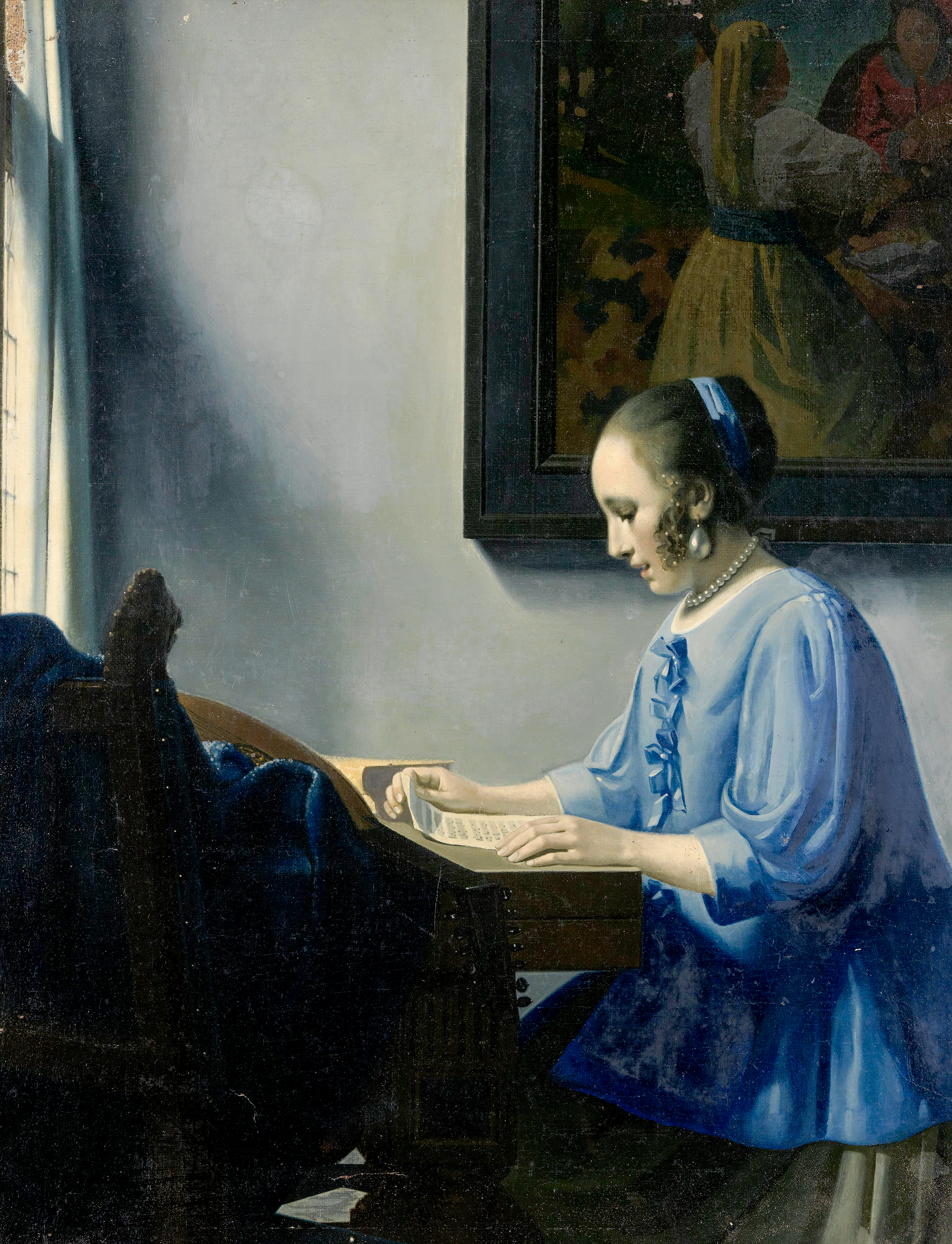


Artist: Han van Meegeren 1935–1943 Images courtesy Color3arte theRijksmuseum, provided to Color3arte
Courts
Both, however, were tried as forgers, and during one of his trials, Meegeren painted—right in front of the authorities—a Vermeer so authentic that it left everyone with the impression that the man was a photocopier; he avoided a life sentence after being identified as a collaborator.
They went down in history; although their endings were far from happy, they managed to avoid prison sentences and gained recognition. The 21st century has seen numerous exhibitions of their legacy—both their forgeries and their scarce original work—at prestigious venues such as the Círculo de Bellas Artes in Madrid.


The Trial of Han van Meegeren: Images and Video ( Creative Commons)
The Art of Forging Art / Have Your Print Certified
The Importance of Certifying a Construction Project
It is certainly an anecdote, but it perfectly illustrates the importance of certifying a work of art in the art world. This is a process that should not be entrusted to individuals without sufficient training, and it is becoming increasingly demanding, as certification legally guarantees that a work belongs to a specific artist based on the analysis of certain rigorous criteria. Authentication adds value to the work in the art market, facilitating its sale between private individuals.
However, not all certificates hold the same value in a commercial transaction involving the artwork in question. There are some extraordinarily curious cases; for example, it has been proven that, in the official catalog of Georges Braque’s work, there are two pieces that are not his, but were authenticated by him during his lifetime. Therefore, although these works enjoy double certification—since they appear in the official catalog of his work and bear the painter’s authentic signature—they do not even remotely reach the price of a Braque work if they go up for auction.

Tribute to Braque. The painting is on view atthe Es Baluard Museum of Modern and Contemporary Art in Palma
Zurbarán
Something similar happened with the Zurbarán catalog, which initially consisted of more than a thousand works. Following a thorough study conducted in 2010 by the French historian Odile Delenda, nearly 700 works were removed from the catalog, not because of their dubious origins but because it was certain they were not the work of the famous painter of the Spanish Golden Age. That study served to establish Zurbarán’s oeuvre as a collection of approximately 300 works.

In the art market
To determine the final price of a work of art, factors such as the work’s age, its presence in museums, level of authenticity, style, and artist are taken into account, as well as technical quality consistent with that attributed to the artist in question; immense value is placed on the credibility and academic and professional prestige of the curator responsible for issuing such certification. In fact, there is a very short list of professionals worldwide who are qualified to do so.
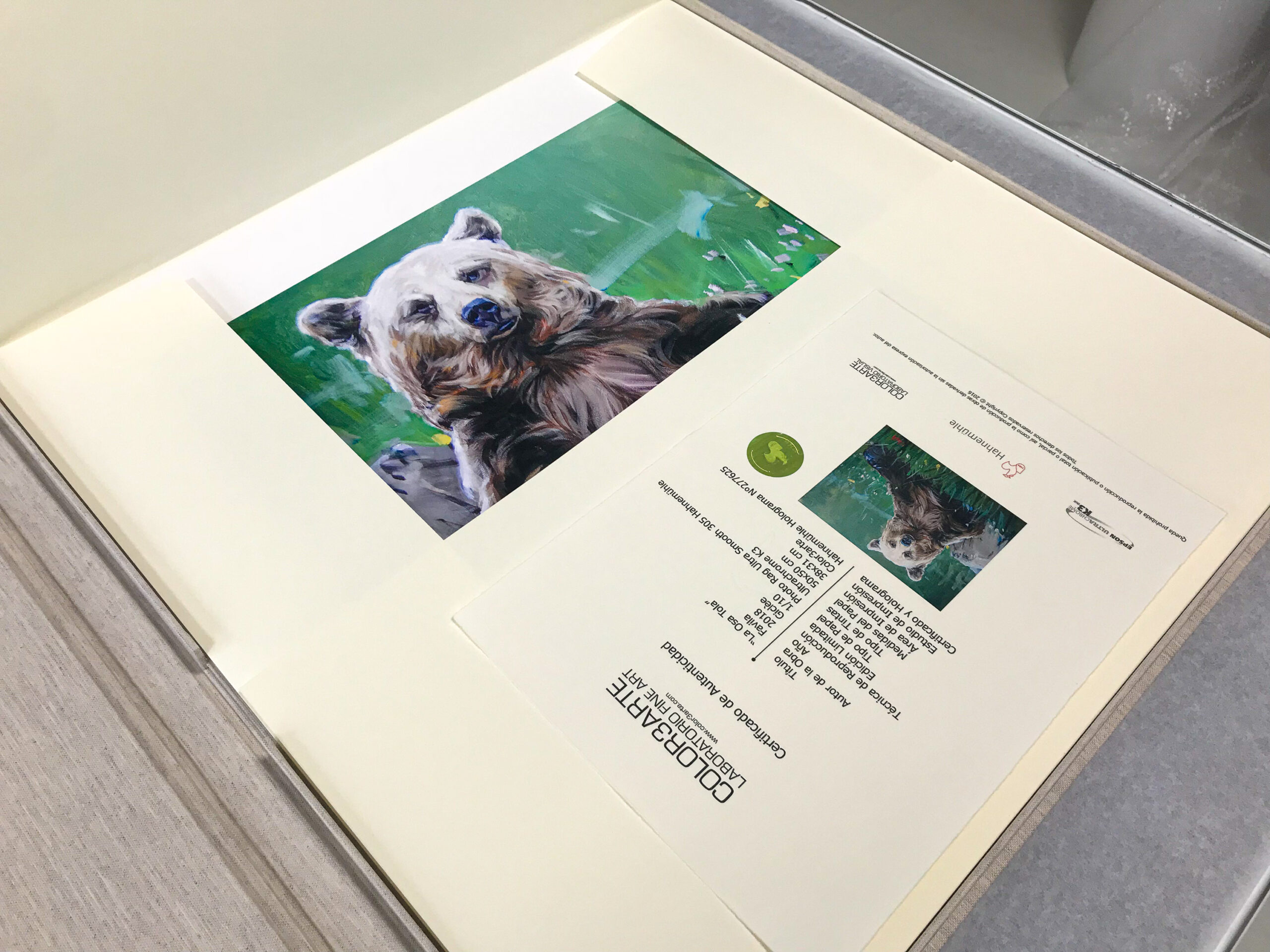


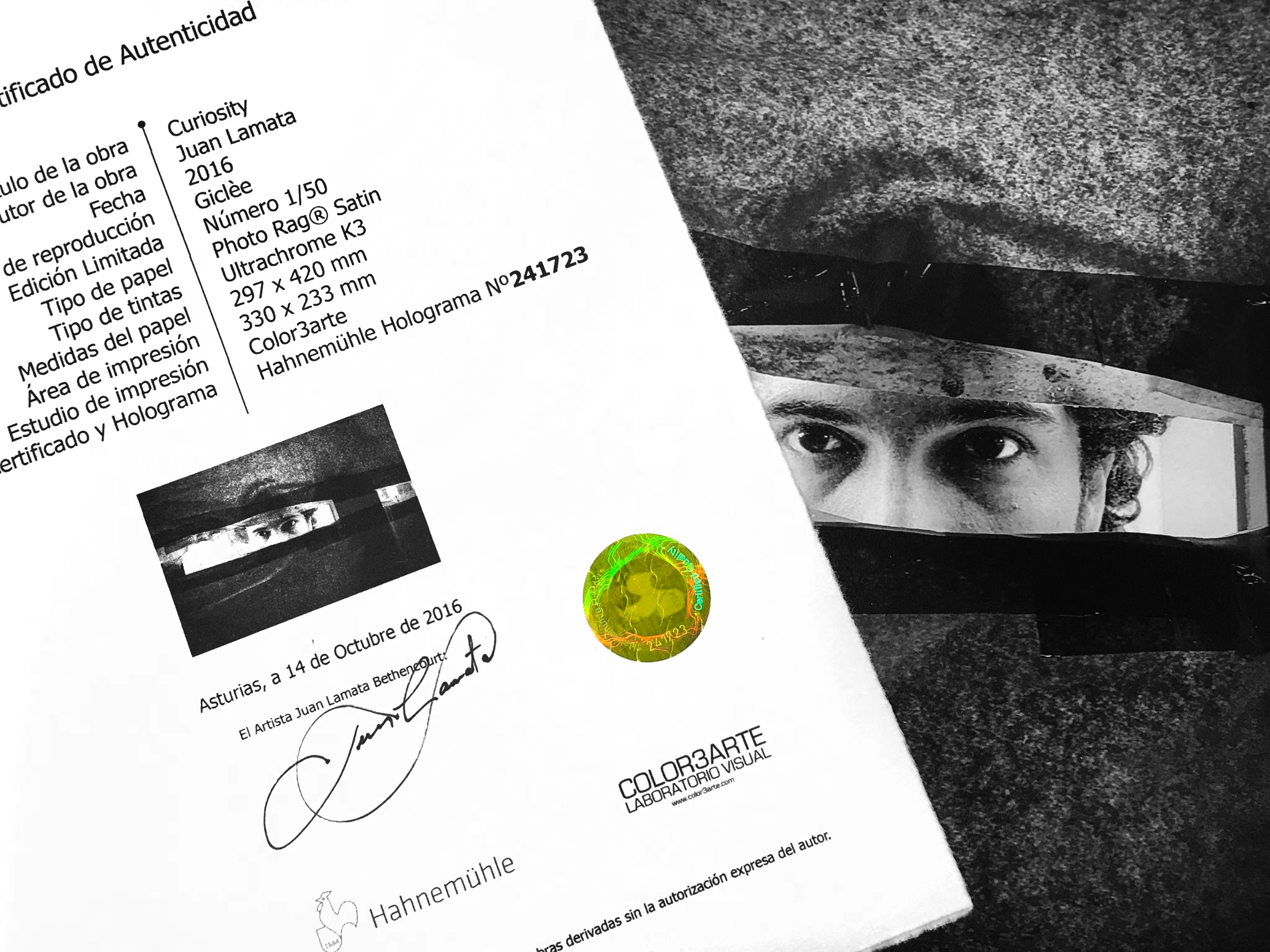


Certifying a construction project is essential
To determine whether that specific work belongs to the artist who signed it, and to confirm whether the work is an original, a forgery, or even the work of another painter, photographer, or illustrator who belongs to the same artistic movement and uses a similar signature.
It's a task we take very seriously at COLOR3ARTE. Not only do we preserve the authenticity of what we reproduce and defend the right of the photographer and/or illustrator to ensure their work is not used for purposes other than those they intend, but we are also aware that the print quality we offer can tempt certain art dealers to act greedily; for this reason, all works that arrive at our workshops do so with the artist’s approval or with the clearest possible indication of origin.
After all, although the law establishes that it is the express intent to deceive on the part of the person creating the fraudulent work that defines a reproduction of a work of art as a forgery, we take great care to respect the work of the photographer or illustrator who visits us. In fact, we are fortunate to be able to certify the work that comes out of Color3arte, as the author is usually involved in the process.
The Art of Forging Art / Have Your Print Certified

Color3arte
All rights reserved

