Giclée Fine Art Giclée Printing
High-quality fine art printing for photography, illustration, and graphic art.
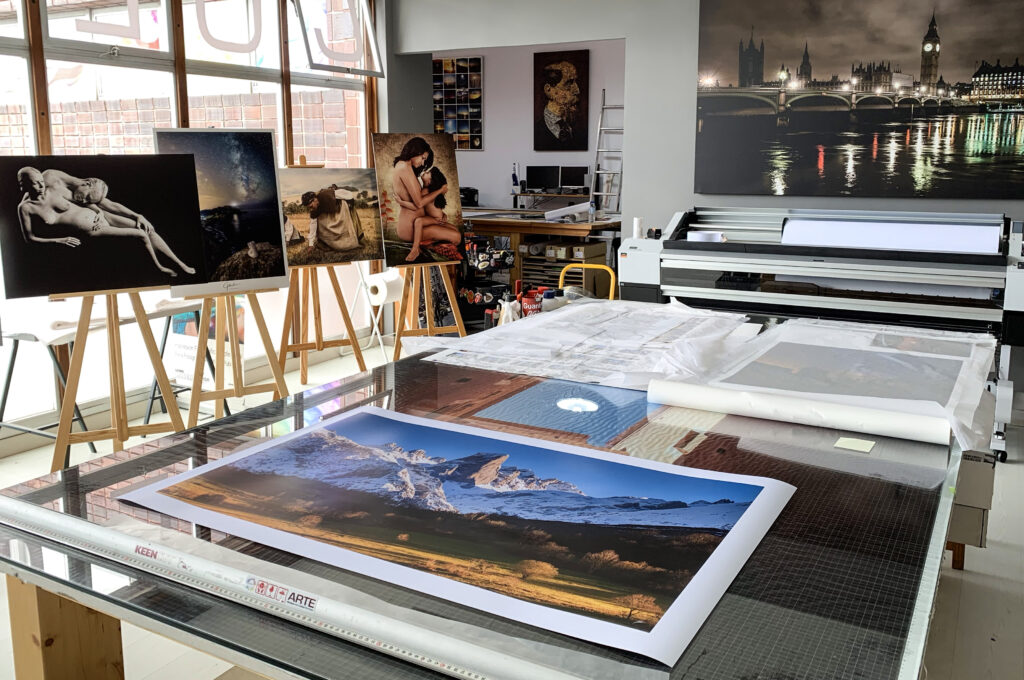
At Color3arte®, we offer fine art Giclée printing Giclée artists, photographers, illustrators, galleries, and collectors who need to reproduce their work with color accuracy, durability, and archival quality.
We use fine art papers made from cotton and alpha-cellulose, highly stable pigment-based inks, and a color management workflow controlled by ICC profiles specific to each substrate. Our goal is not simply to print an image, but to transfer it to the paper with depth, detail, clean blacks, and consistency across prints.
Desde nuestro estudio trabajamos para clientes de toda España, preparando impresiones para exposición, venta, portfolio, edición limitada, reproducción de obra gráfica y proyectos profesionales donde el acabado final importa.
Fine Art Giclée printing Giclée known as Giclee or Giclèe printing—is particularly well-suited when a work needs to be preserved, sold, or displayed to a higher standard than that of a conventional photographic print.
Archival Fine Art Papers
We work with 100% cotton, alpha-cellulose, baryta, and textured papers from Hahnemühle, Canson® Infinity, and our Pro-Line and Creative Textured lines.

Highly stable pigmented inks
Professional pigmented inks with a wide color range, excellent lightfastness, and reliable results for works intended for preservation, exhibition, or sale.
Color Management with ICC Profiles
Custom ICC profiles tailored to each specific combination of printer, ink, and paper. We translate your digital file into the actual behavior of the physical medium with complete control.
Why Choose Fine Art Giclée Printing
Fine Art Giclée printing Giclée three key elements: archival papers, pigment-based inks, and precise color management. This combination results in prints with a rich tonal range, excellent long-term stability, and a final appearance suitable for exhibition, sale, or collection.
Museum-quality: more than just a good image
In museum-quality printing, it’s not enough for the image to simply “look good.” It’s necessary to monitor how each paper responds, how shadows behave, the depth of the blacks, how tonal transitions are reproduced, and how consistency is maintained from one print to the next.
How we approach every print at Color3arte
At Color3arte®, we treat every image as a finished work of art, not just a file sent to print. We review the type of image, its intended use, the most suitable medium, and any potential technical risks before production begins.
For what types of projects do we recommend this system?
Fine Art Giclée printing Giclée particularly recommended for:
- Artistic and fine art photography.
- Digital and traditional illustration.
- Reproduction of graphic works.
- Limited, numbered editions.
- Art prints for sale or display.
- Professional portfolio.
- A work intended for galleries, art fairs, or collectors.
- Publishing projects, series, and collections.
- Reproductions of previously digitized originals.
When a work of art is to be sold, exhibited, or preserved, the choice of printing system is no longer a minor detail. The paper, ink, color management, and production control all directly influence how the piece is perceived in terms of value.
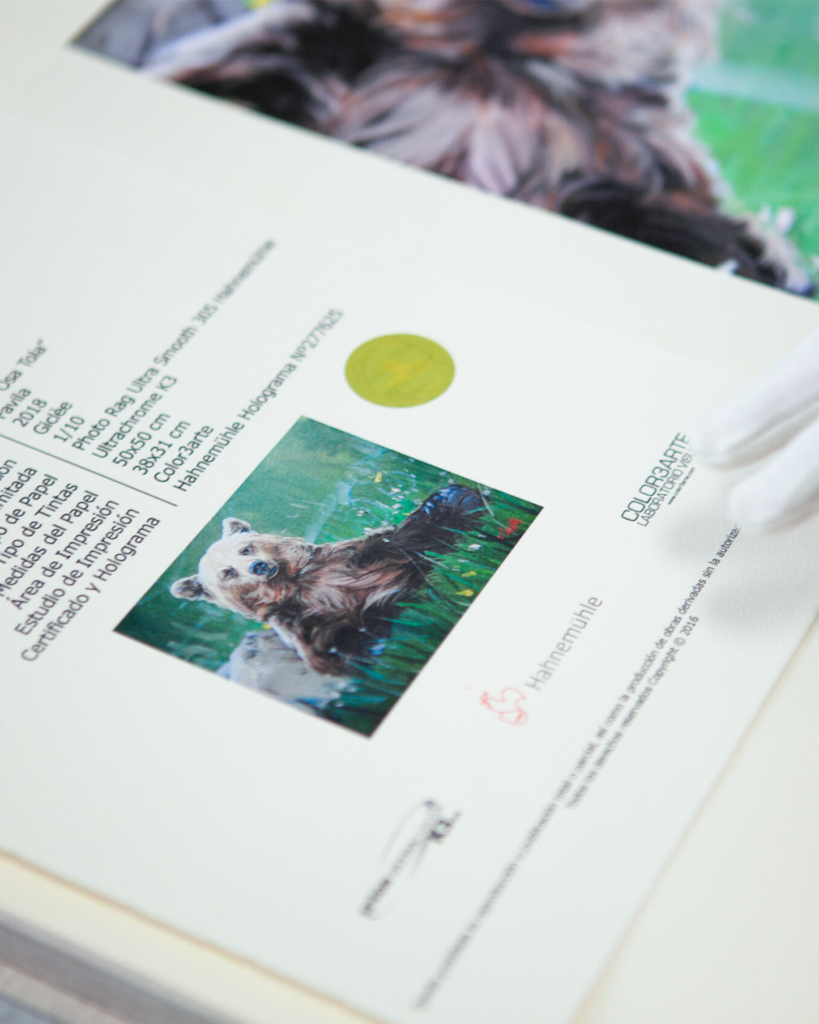
Archival Fine Art Papers
Choosing the right paper is one of the most important decisions in fine art printing. Not all papers render the image in the same way: some offer a softer, more matte finish; others enhance black depth, saturation, or contrast; still others add texture, physical presence, and artistic character.
Our selection of fine art papers
At Color3arte®, we work with fine art papers selected for their stability, tonal response, and manufacturing quality. These include 100% cotton papers, alpha-cellulose papers, and matte, textured, smooth, satin, and baryta surfaces.
How to Choose the Right Paper for Your Artwork
The choice of paper should not be based solely on weight or brand. It should be tailored to the type of image and the desired result. A black-and-white photograph with deep blacks may benefit from baryta paper; a delicate illustration may look best on matte cotton paper; and a textured graphic work may stand out more on paper with a textured surface.
Pigment-based inks and color stability
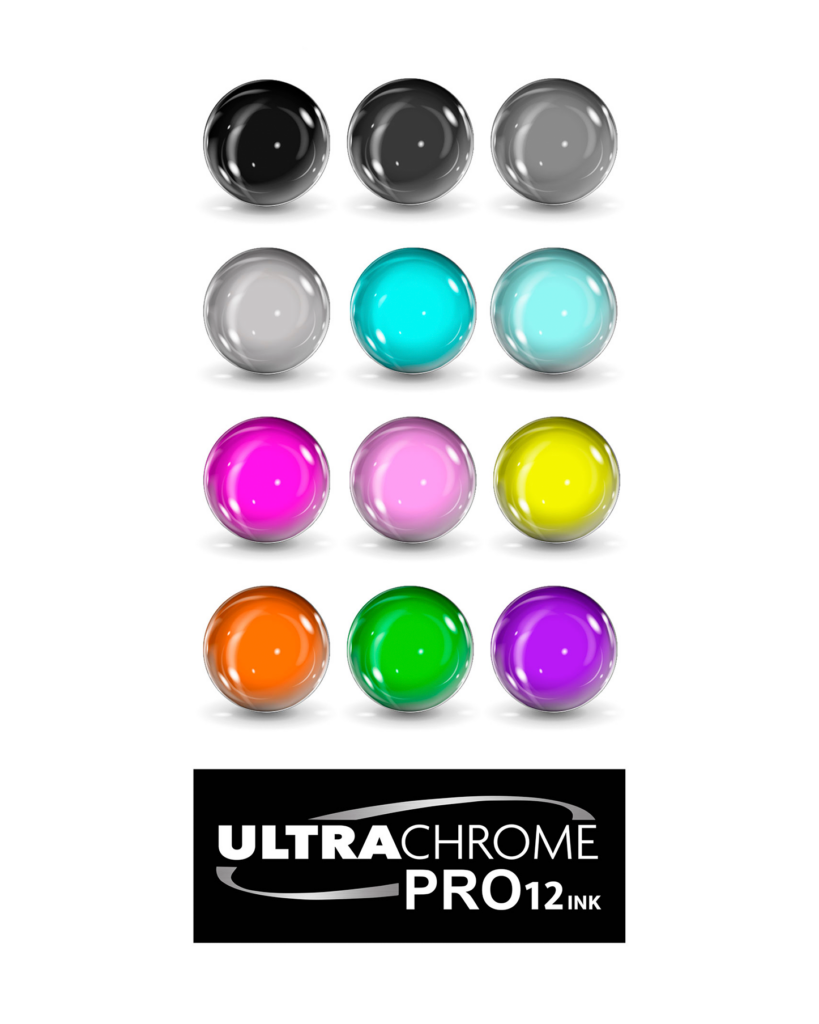
Giclée printing uses pigment-based inks, not conventional dye-based inks. Pigment-based inks offer greater stability, better resistance to fading, and more reliable reproduction for works intended for archival purposes, exhibition, or sale.
Tonal and chromatic reproduction
In our workflow, we use high-end pigment inks designed to reproduce a wide tonal and color range. This allows us to preserve subtle details in shadows, achieve smooth transitions in midtones, maintain controlled highlights, and achieve good black depth on the right papers.
Conservation factors beyond the ink
Stability does not depend solely on the ink. Other factors also play a role, including the paper, storage conditions, exposure to light, mounting, storage, and the ongoing care of the artwork. That is why we recommend using archival-quality materials and handling each print with care.
Professional color management
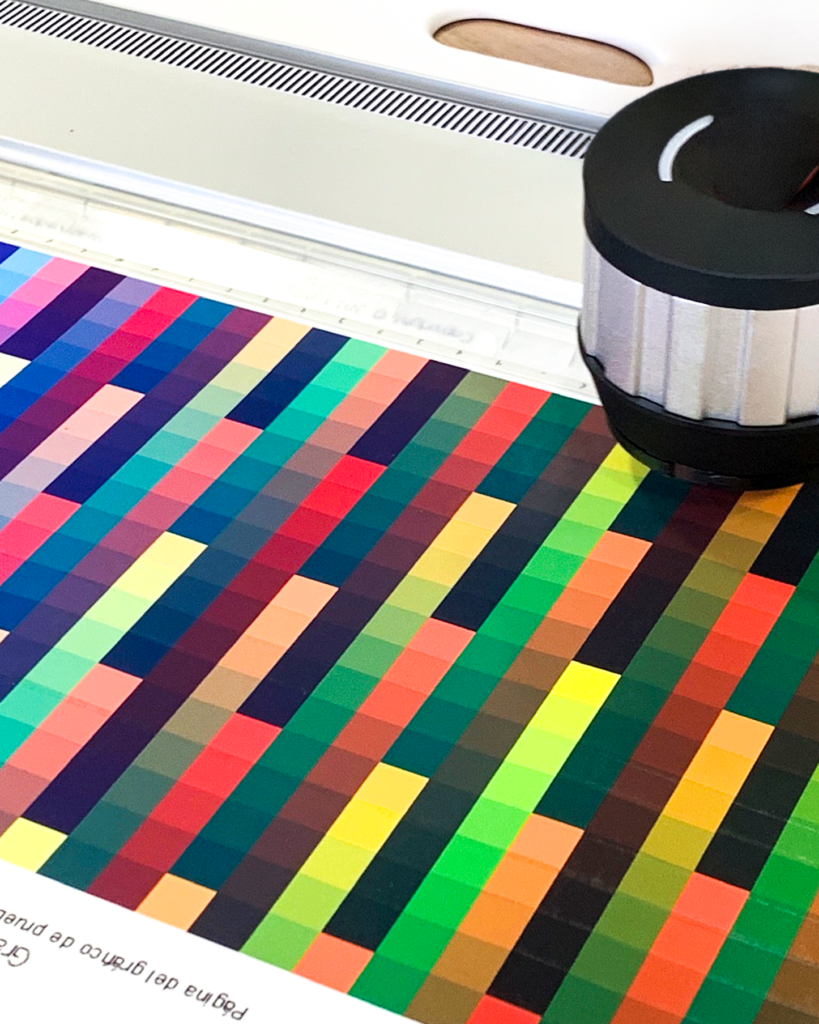
One of the key differences between a professional fine art print and a standard print lies in color management. Each type of paper reacts differently to the ink: the white point, saturation, perceived contrast, maximum black density, and tonal range all vary.
Custom ICC profiles by paper type
That is why we use specific ICC profiles for each combination of printer, ink, and paper. These profiles allow us to translate the information in the digital file into the actual behavior of the physical medium with greater control.
Preliminary adjustments to the file
We can also make preliminary adjustments when an image requires them: controlling blocked-up shadows, checking for color casts, assessing resolution, detecting halos, analyzing sharpness, preparing the final size, and checking the aspect ratio.
What color management is not
Color management isn't about "turning up the saturation" or applying a generic adjustment. It's about understanding how the image will look once it stops being light on a screen and becomes pigment on paper.
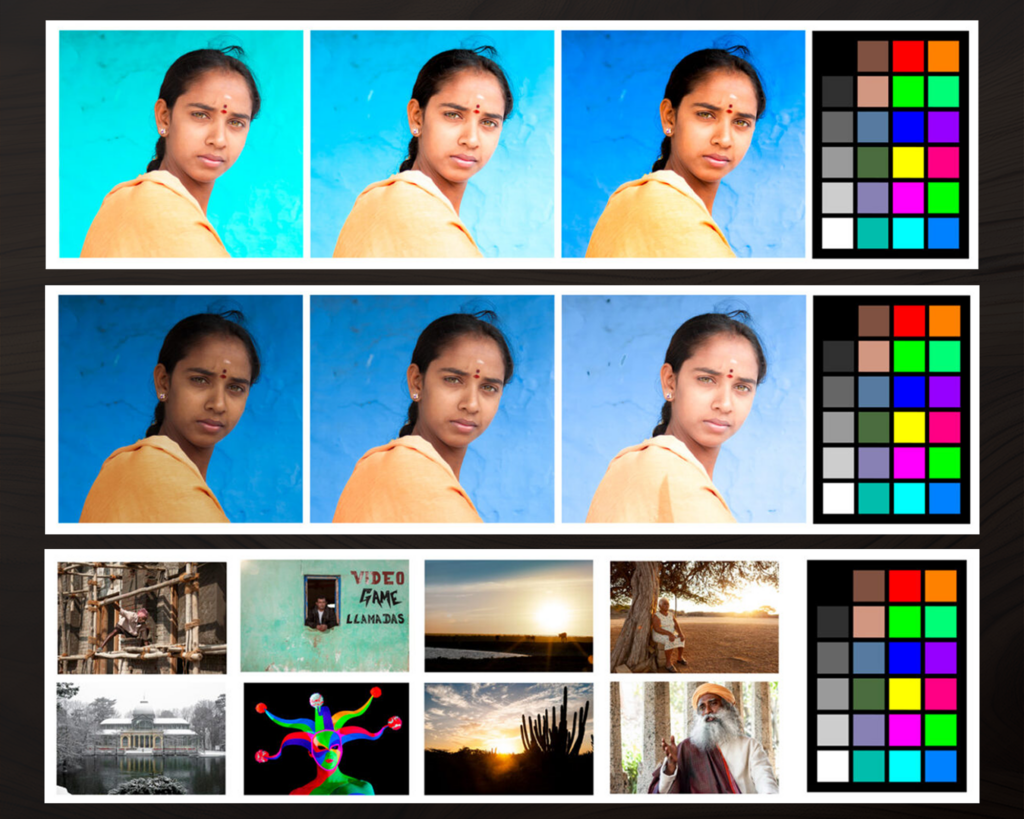
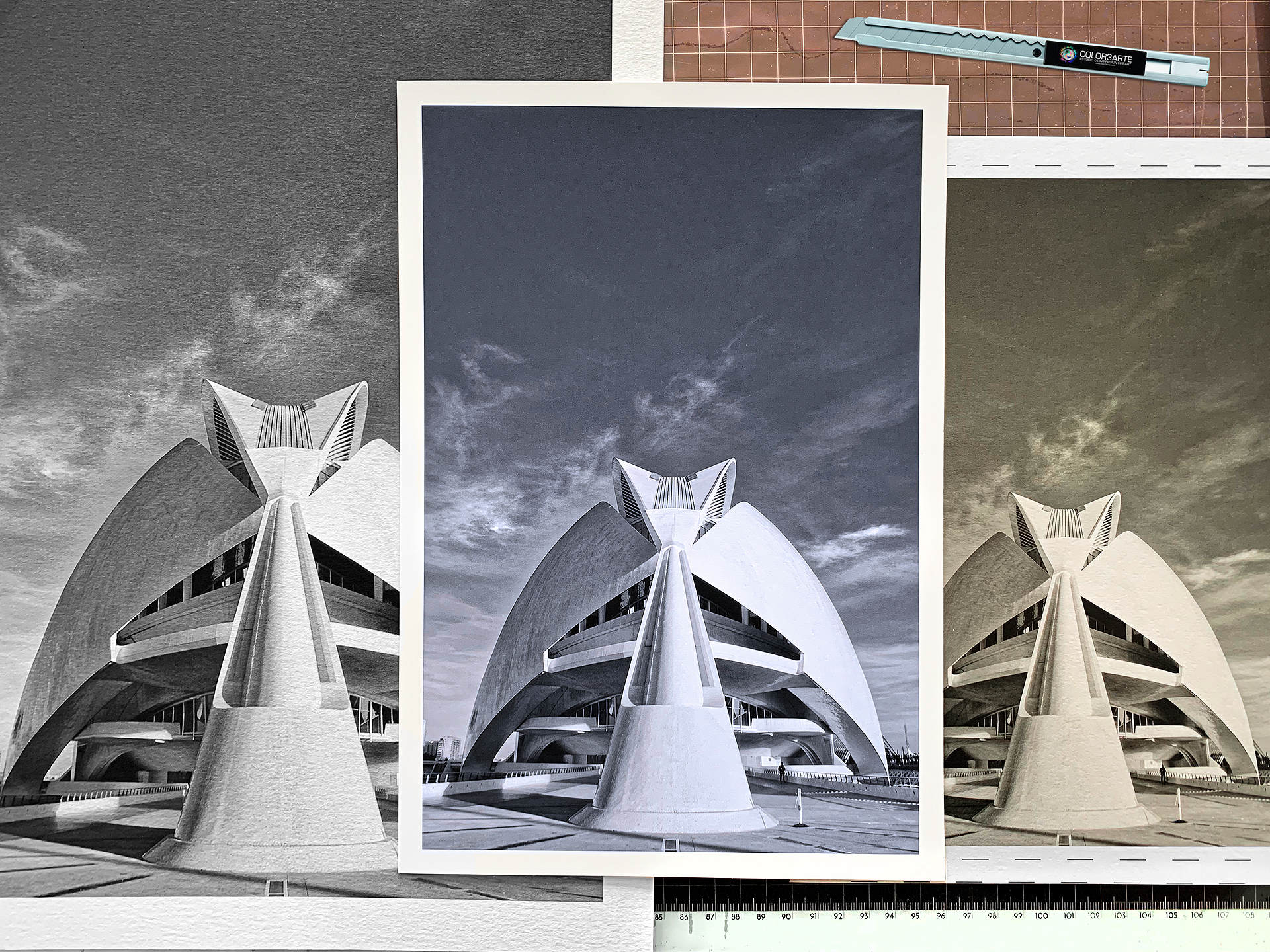
Color proofs and test strips
When color accuracy is critical, we recommend running a test print before the final print run. This is especially important for exhibitions, limited editions, reproductions of graphic art, gallery pieces, or images with delicate shadows, subtle highlights, or deep blacks.
Why a test reveals things that the monitor doesn't
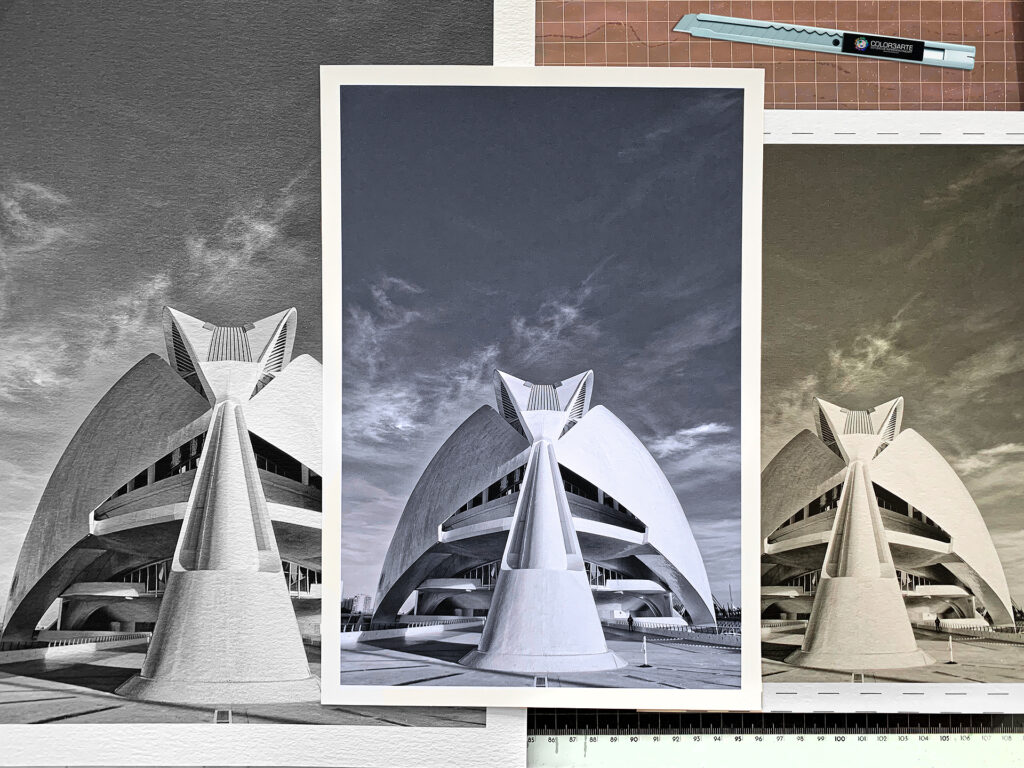
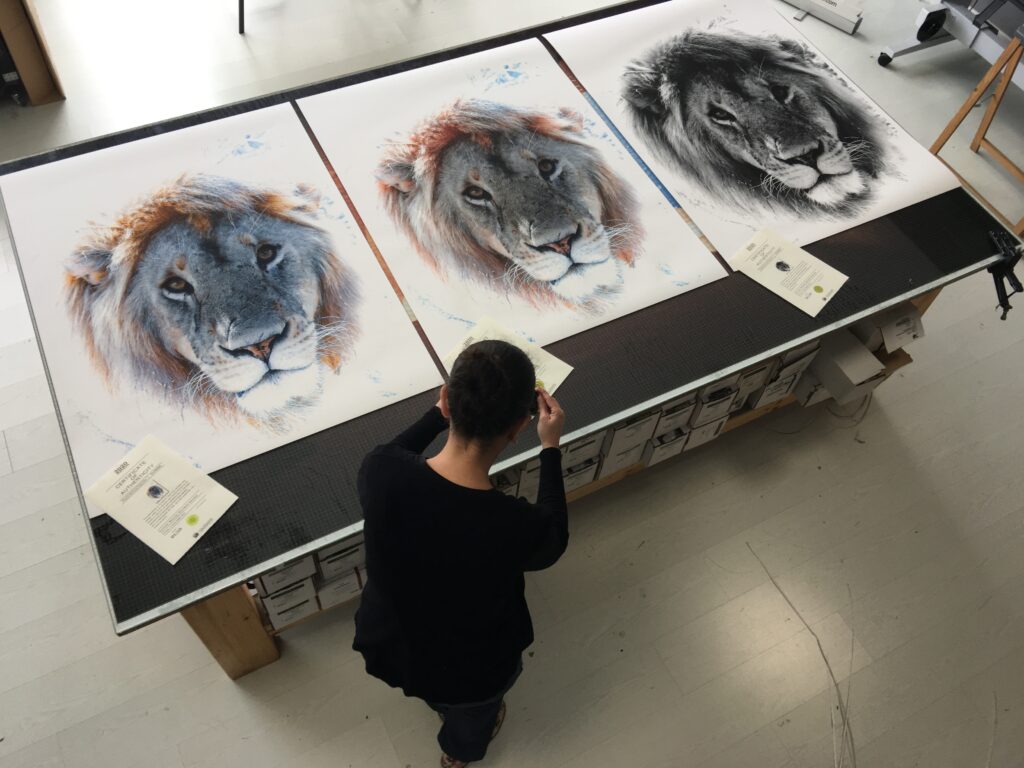
A test print allows you to assess how the image actually looks on the chosen paper. Even when calibrated, a monitor remains a light source; paper, on the other hand, reflects light. That is why a test print can reveal nuances that are not always apparent on screen.
When to use test strips
Test strips help you choose between different papers, adjust the perceived contrast, and check whether the image needs fine-tuning before producing the final print or the entire series.
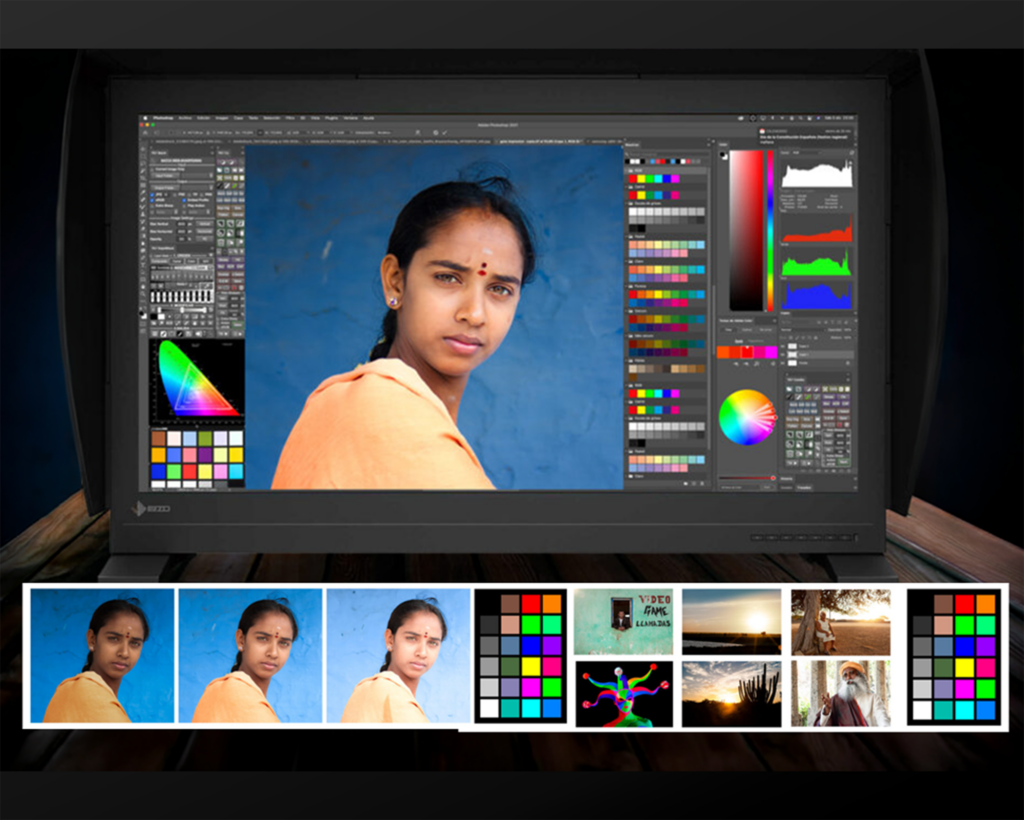
Technical review of the file
Before printing, you should check that the file meets the requirements for the requested size. The actual resolution, aspect ratio, color profile, format, compression, and quality of the file directly affect the final result.
Recommended color and format
Whenever possible, we recommend submitting the image at its final print size, with sufficient resolution and in an appropriate color space. For high-quality work, we prefer TIFF files or formats without lossy compression. For color photography and illustration, we recommend working in RGB, preferably Adobe RGB (1998) or ProPhoto RGB when the workflow warrants it. For black and white, it may be advisable to work with a well-controlled grayscale, such as Gray Gamma 2.2.
Framing and proportion
If the file does not have the exact aspect ratio of the requested size, we do not automatically crop it, because cropping is a creative decision. In such cases, the print is scaled proportionally to fit the requested long side, avoiding distortion.
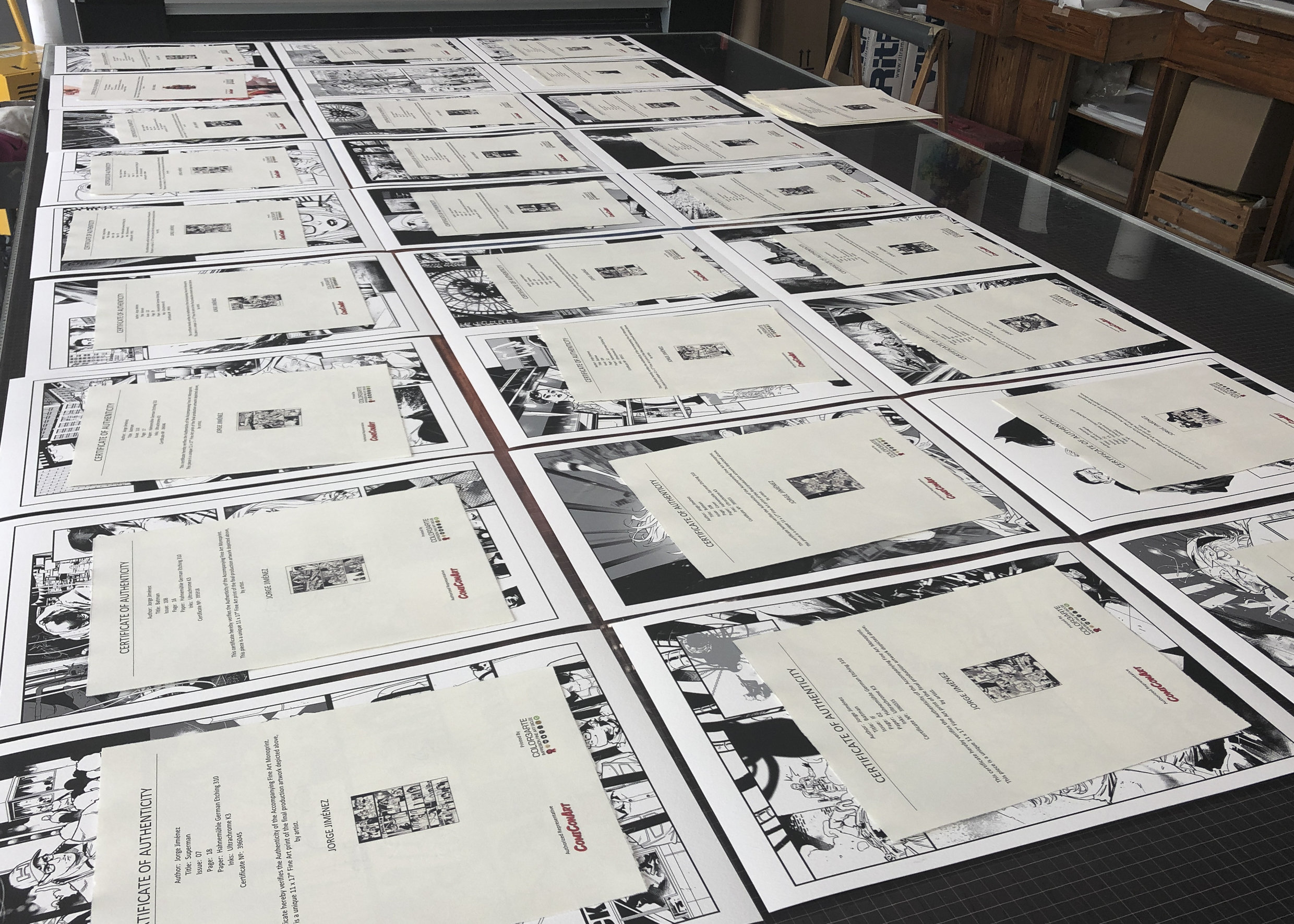
Limited editions and certificates of authenticity
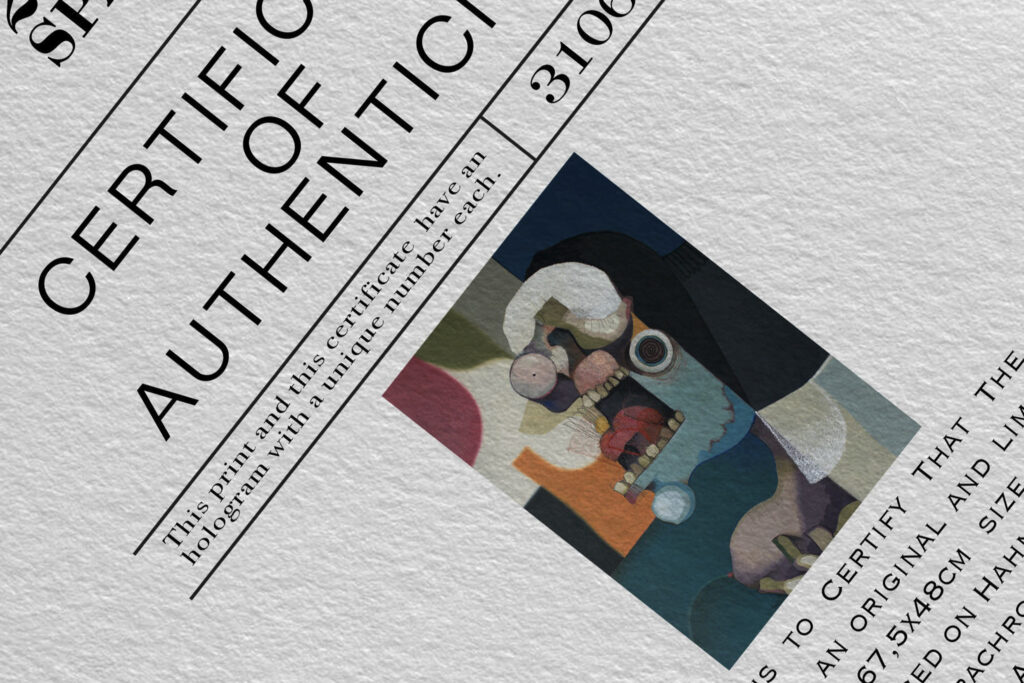
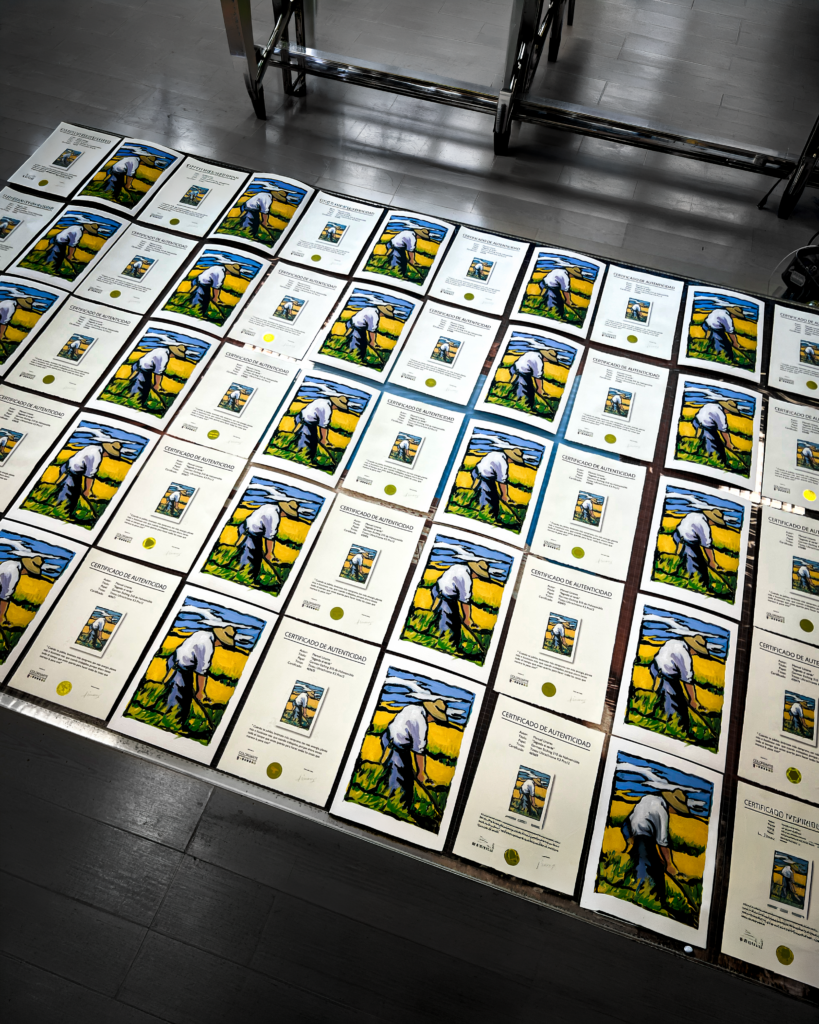
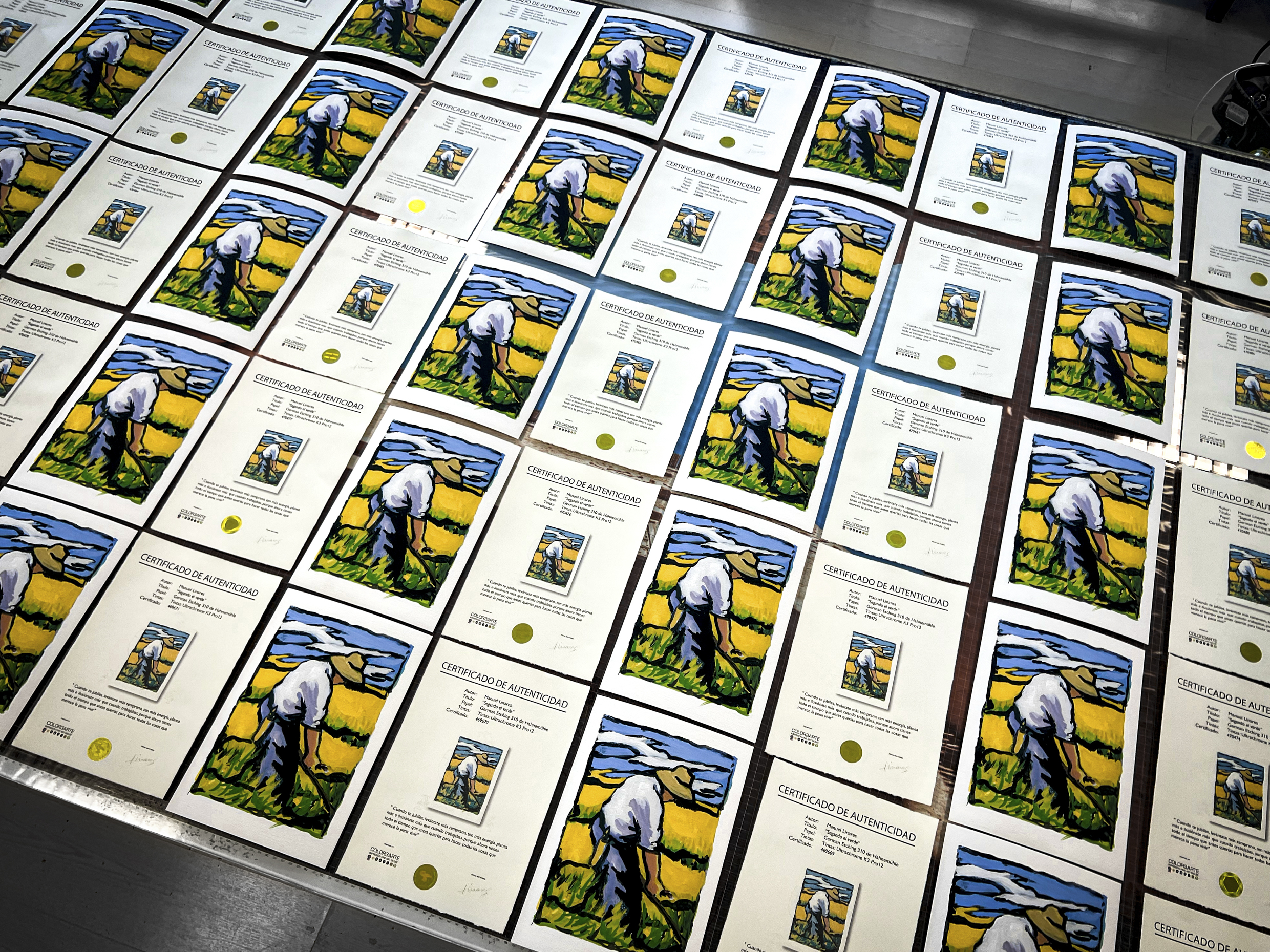
La impresión Fine Art Giclée es una solución especialmente adecuada para ediciones limitadas. Permite producir copias con gran coherencia entre ejemplares, manteniendo un control técnico sobre papel, color, tamaño, numeración y acabado final.
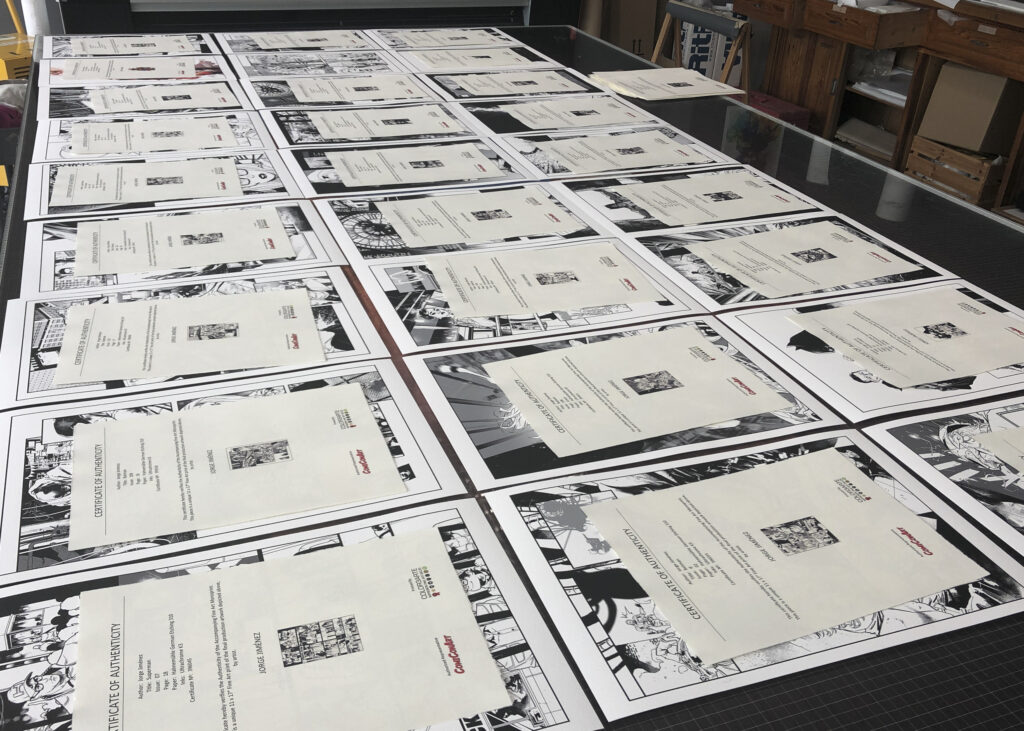
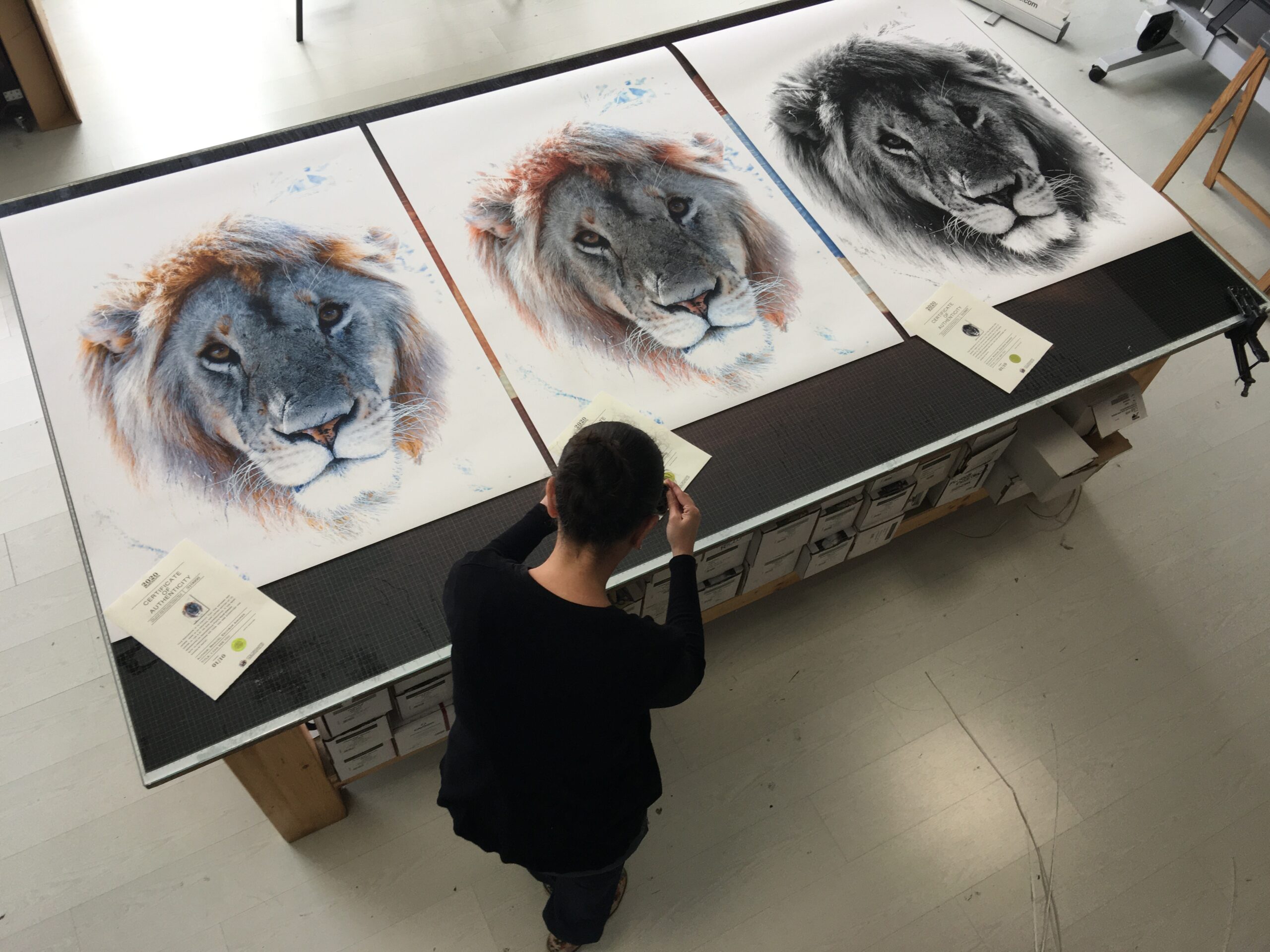
En Color3arte® podemos preparar ediciones numeradas para artistas, ilustradores, fotógrafos y galerías. También trabajamos con certificados de autenticidad y sistemas de identificación para reforzar la trazabilidad de cada obra.
Una edición limitada no se define solo por imprimir varias copias. Requiere criterio de producción, control de archivo, coherencia entre ejemplares, registro de datos, numeración y una presentación acorde al valor de la obra.
Ediciones limitadas de obra gráfica y fotográfica · Certificados de autenticidad
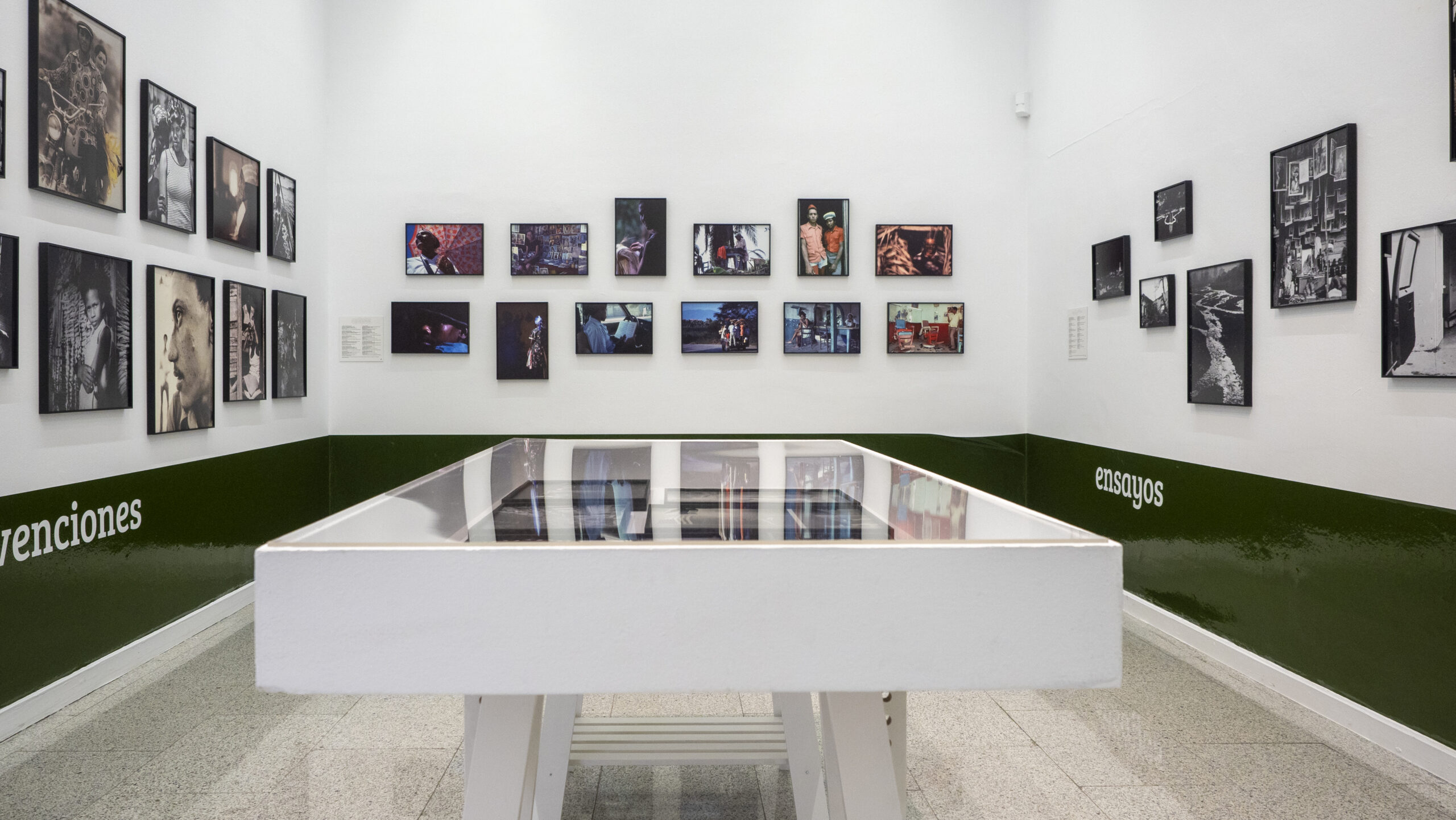
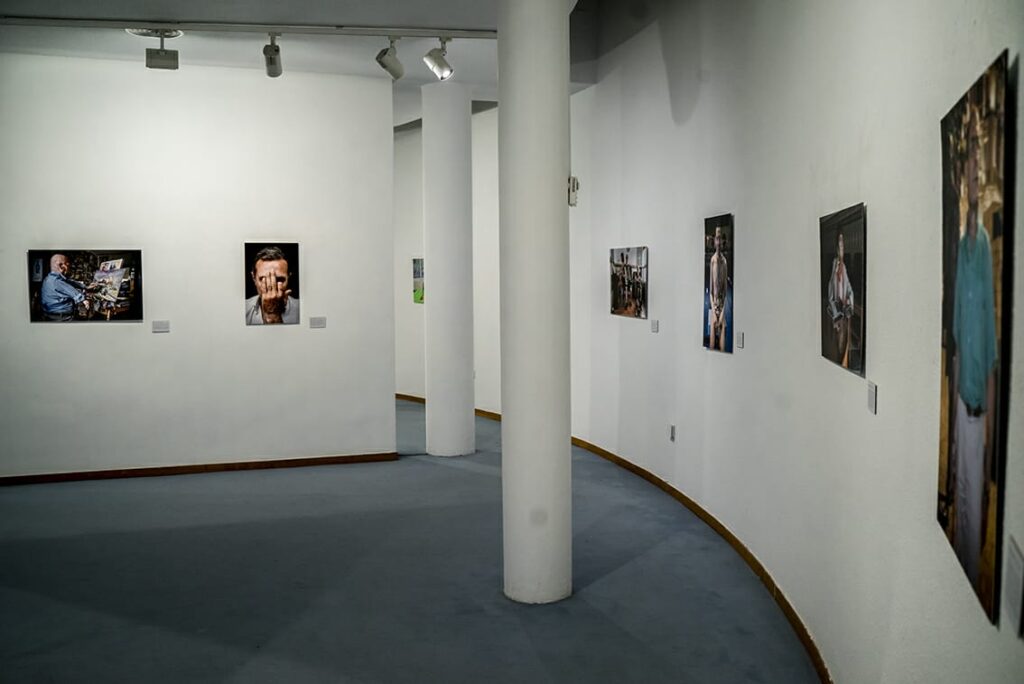
Printing for artists, photographers, illustrators, and galleries
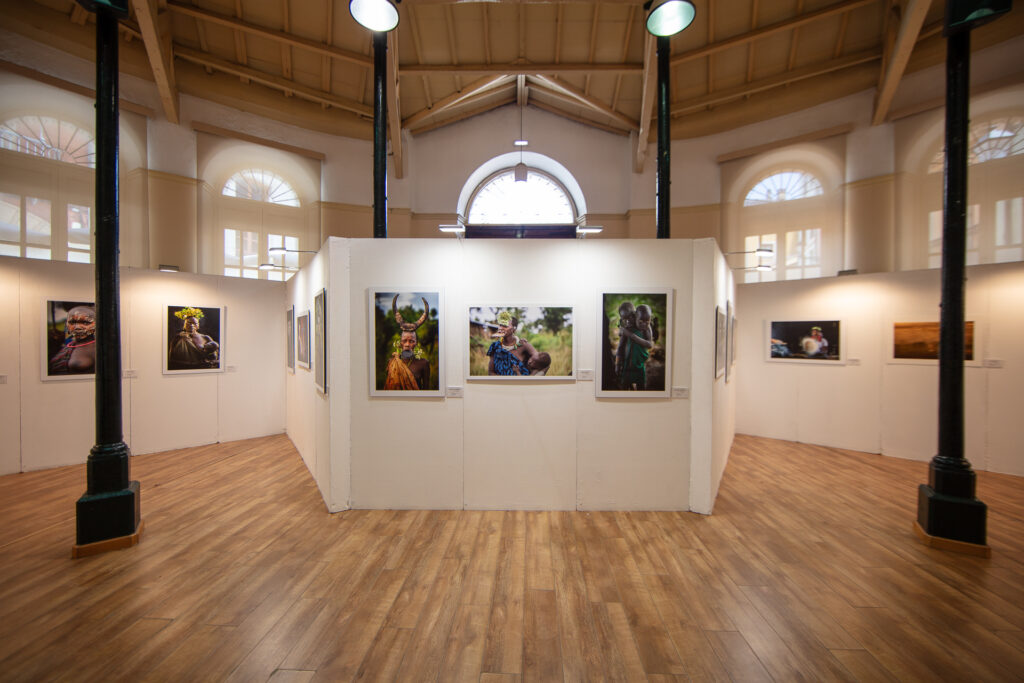
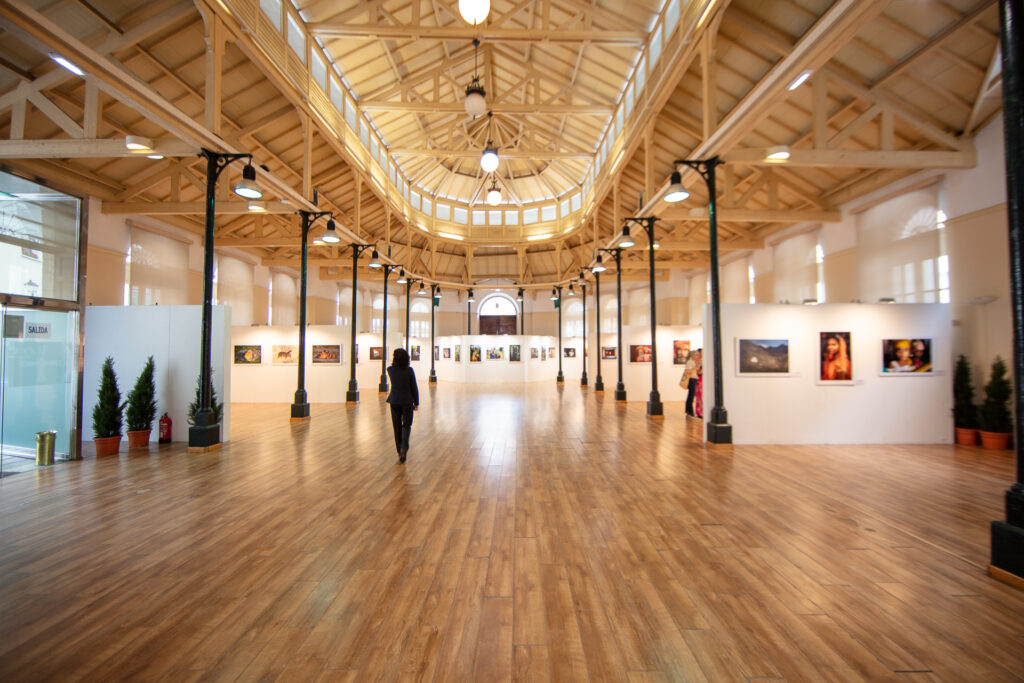
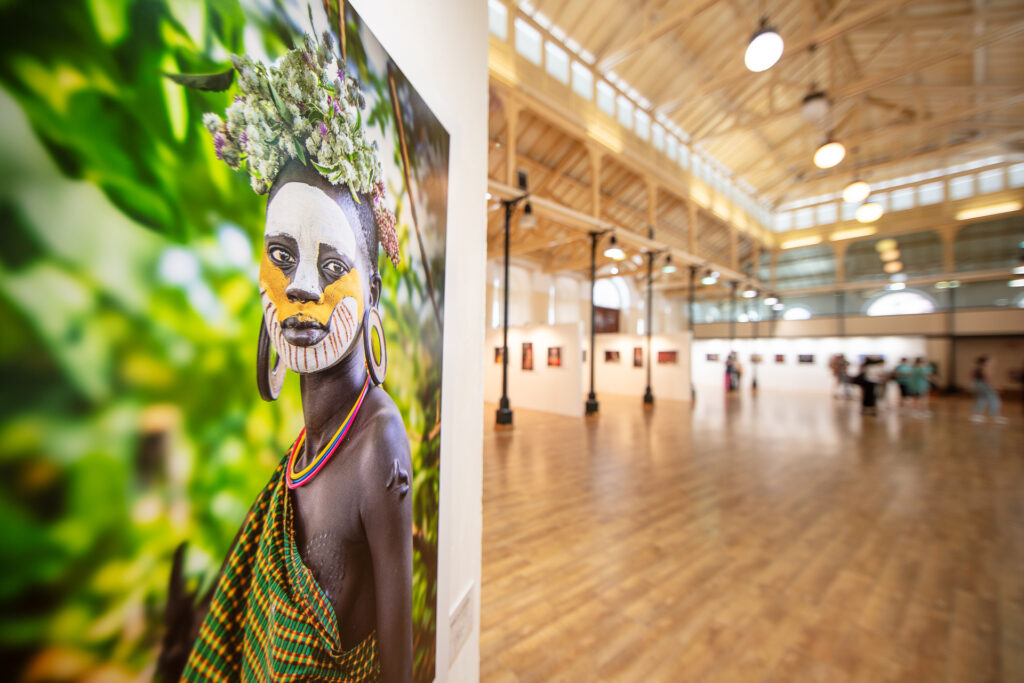
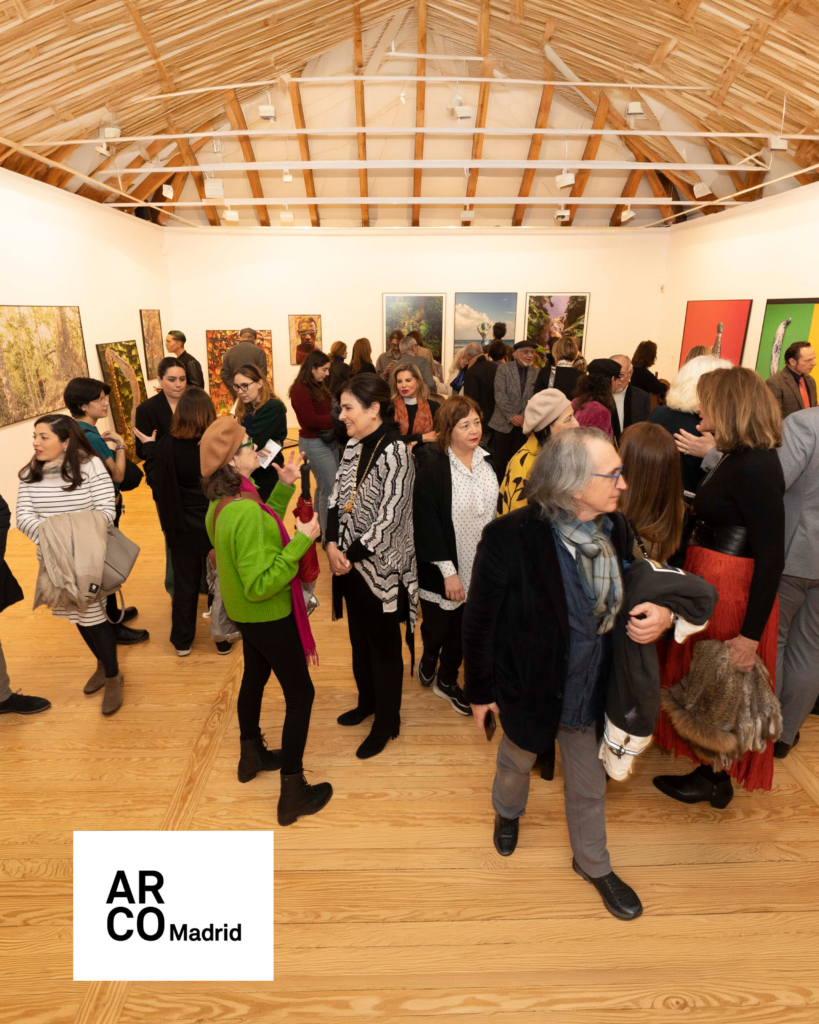
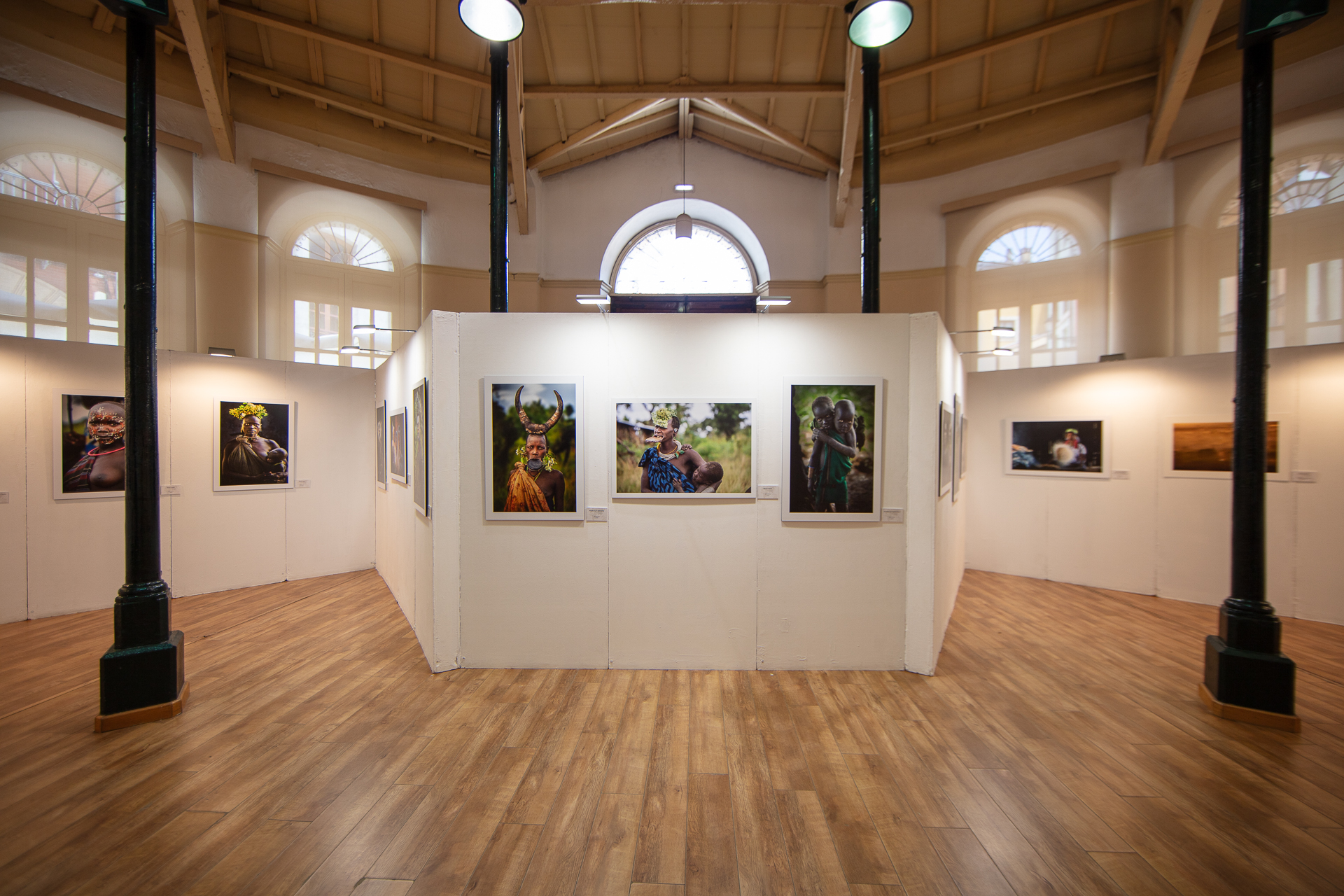
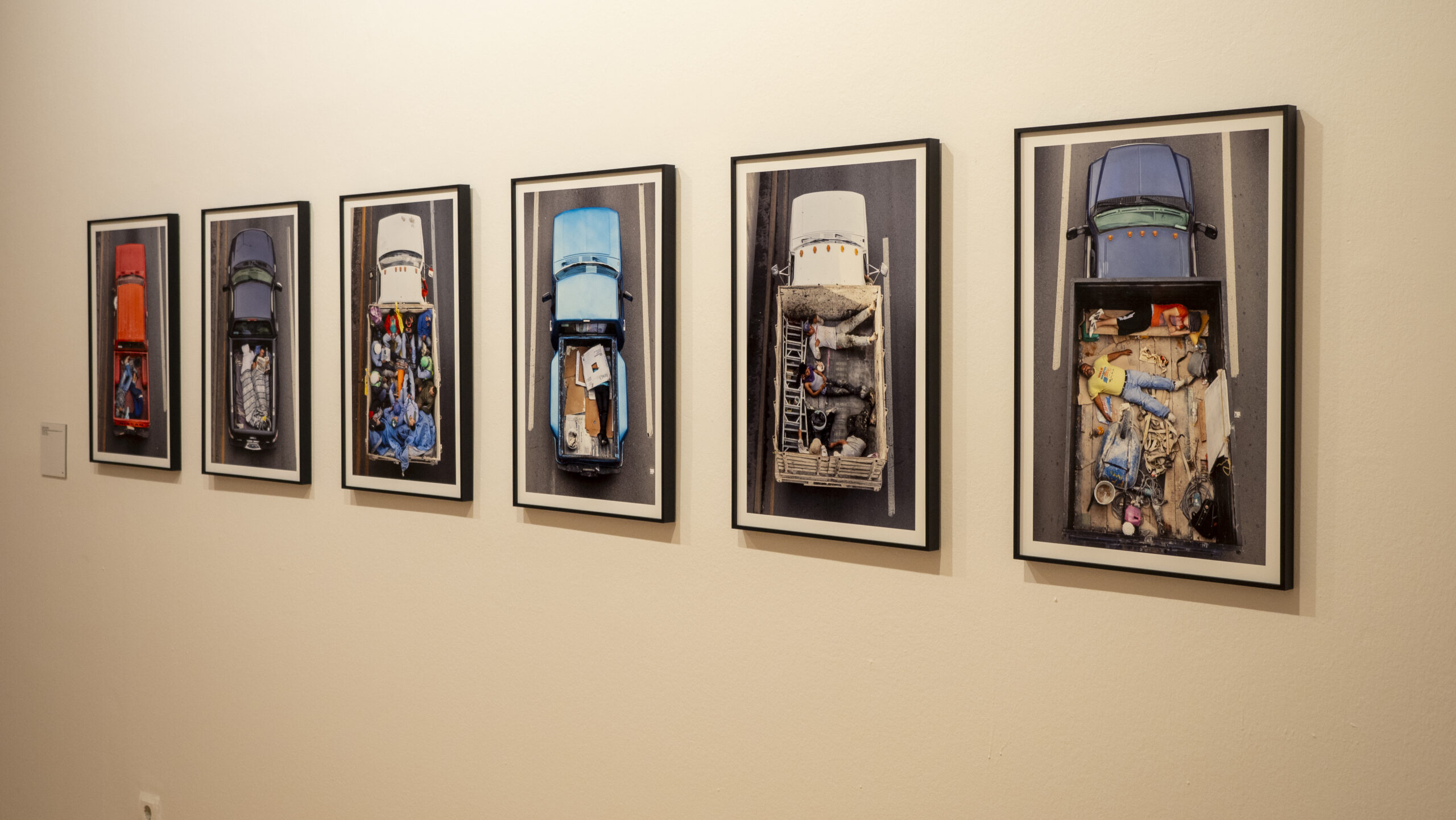
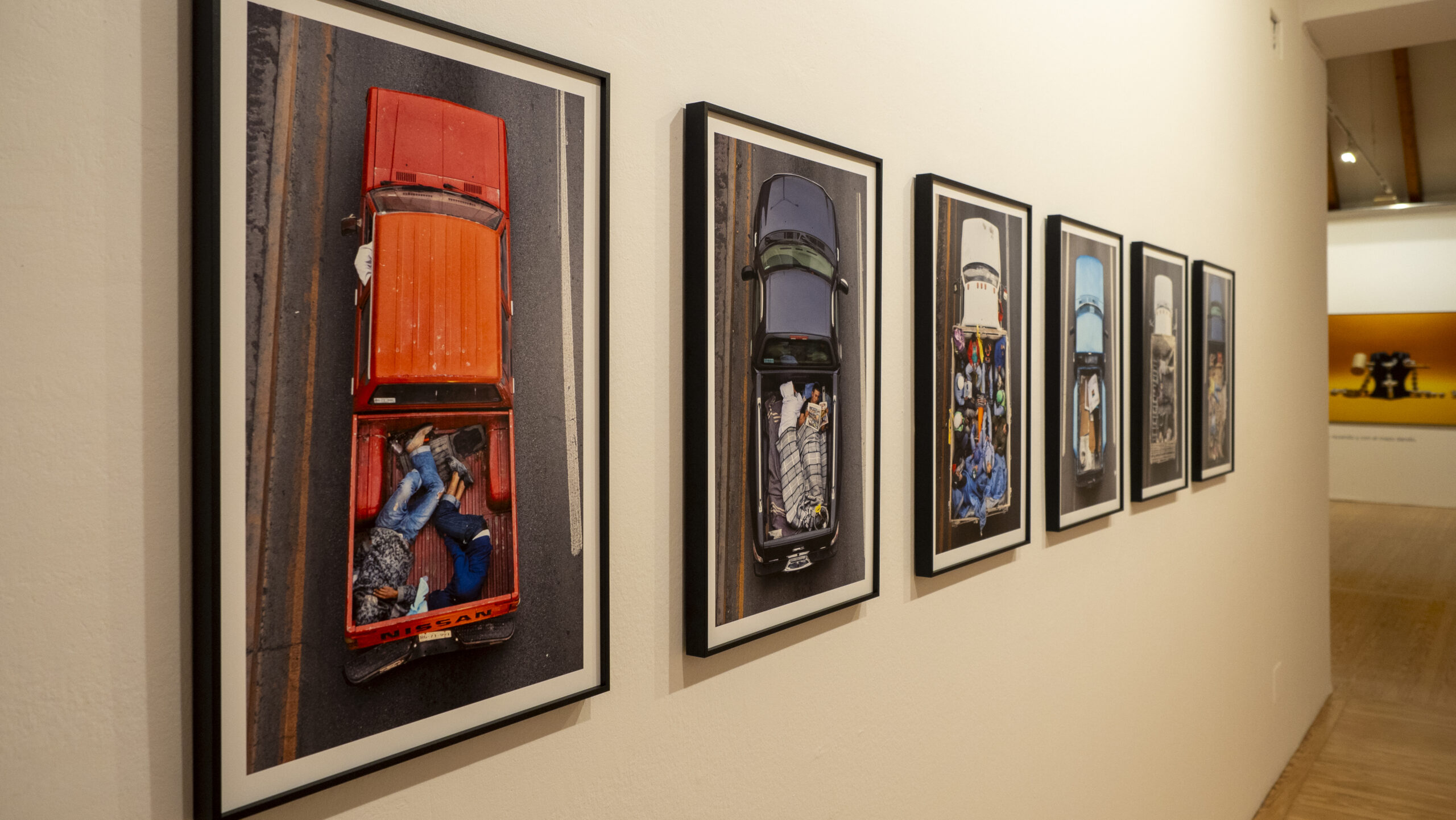
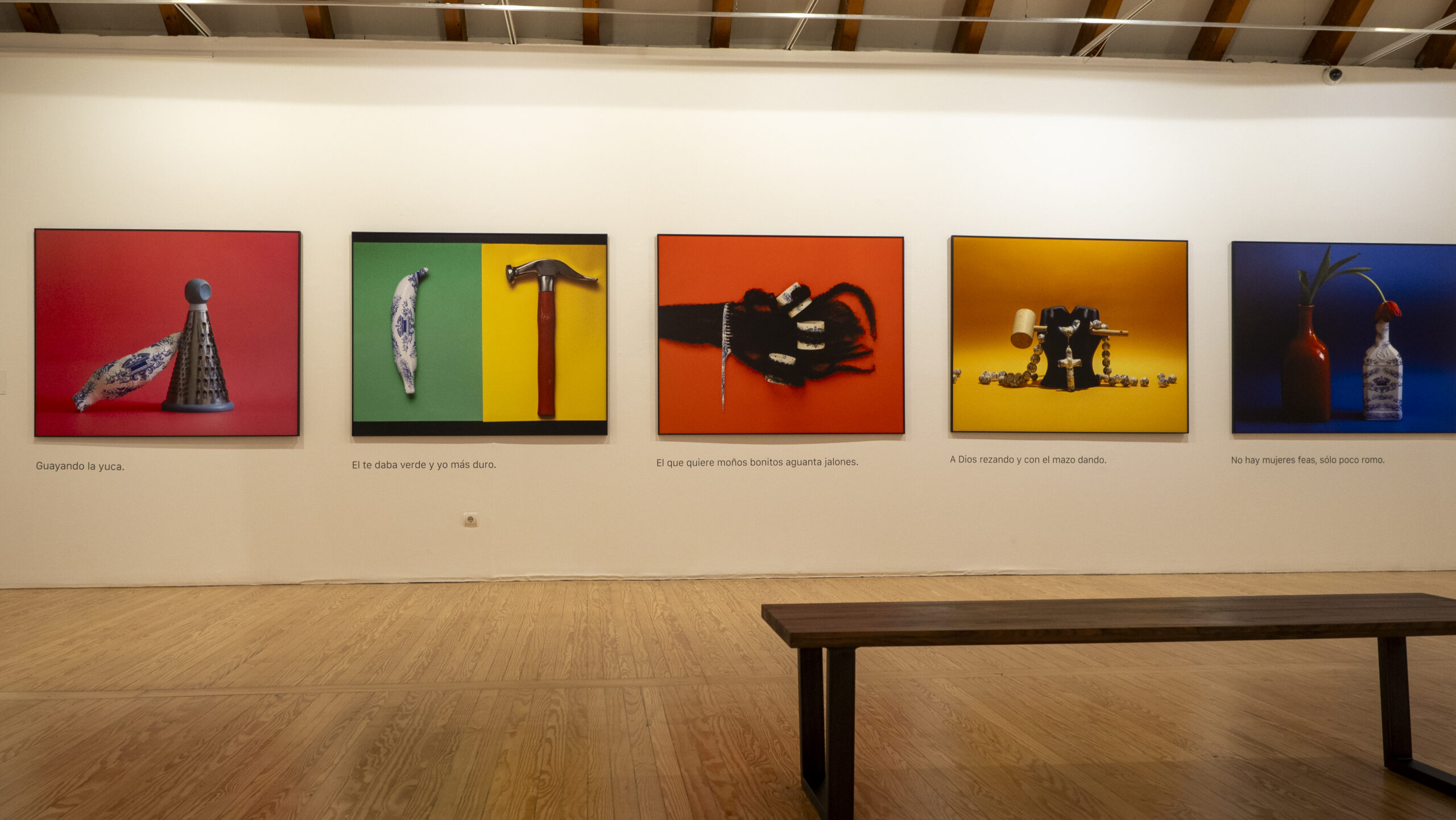
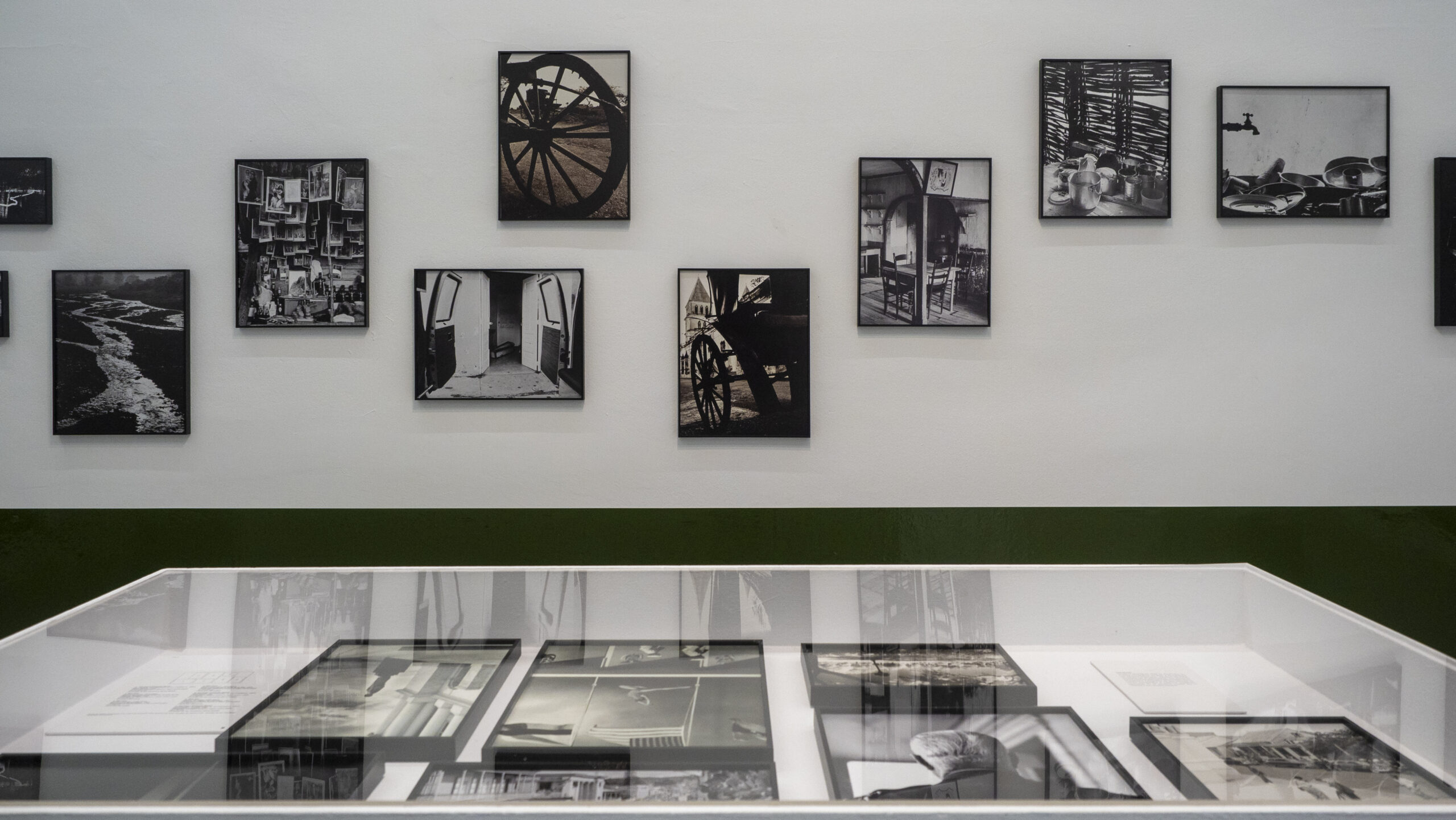
Every professional has different needs. A photographer may be looking for tonal accuracy, deep blacks, and neutrality in black-and-white prints. An illustrator may need clean color, fine detail, and a surface that holds the line well. A gallery may require consistency across prints, secure packaging, certificates of authenticity, and a flawless presentation.
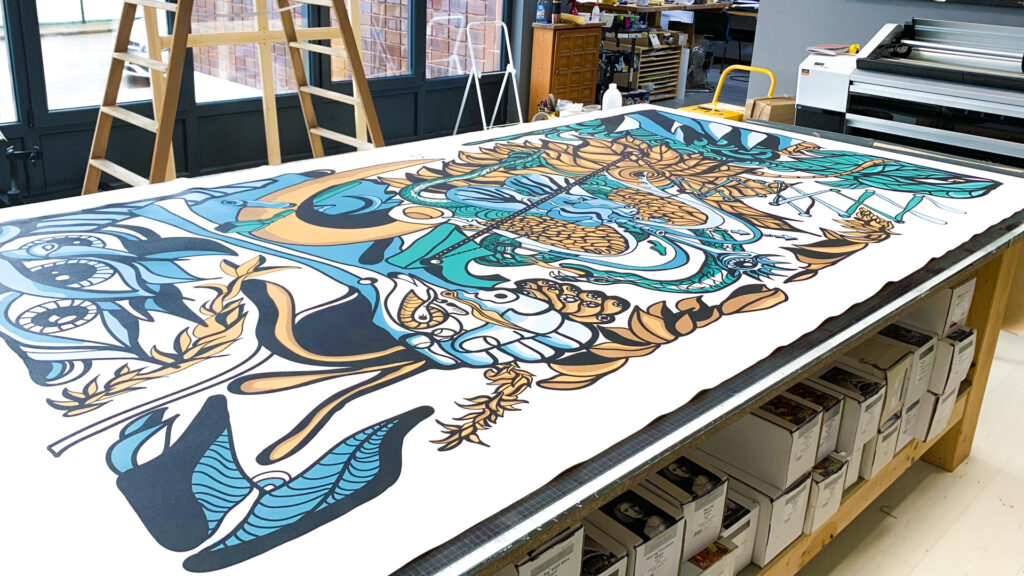
That is why we do not view fine art printing as a standard product, but rather as a technical and artistic service. The paper, size, finish, and preparation process must be tailored to the artwork’s intended purpose.
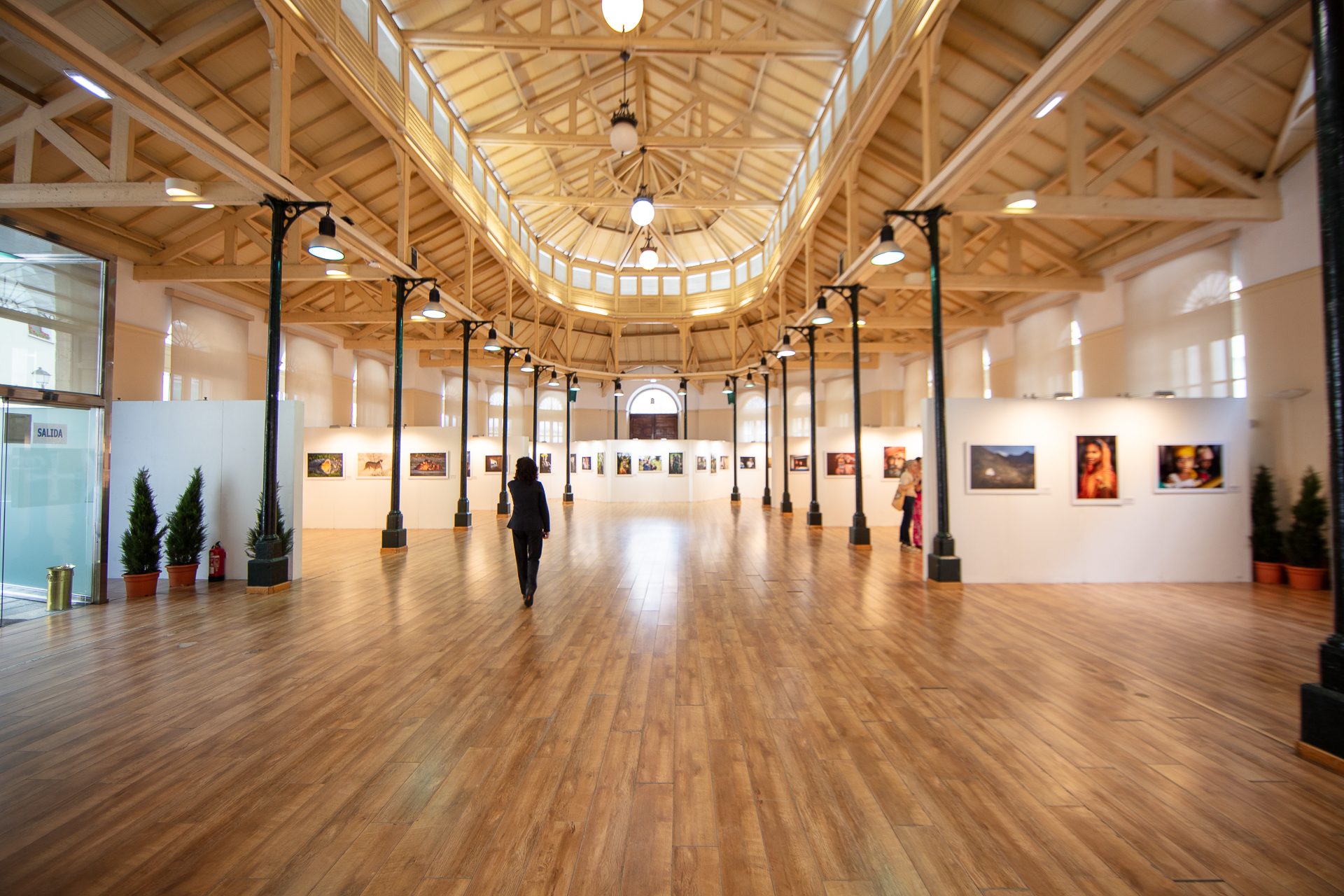
We regularly work with artists, studios, galleries, collectors, and illustrators who need professional-quality printing, whether for one-off projects, series, exhibitions, or the sale of artwork.
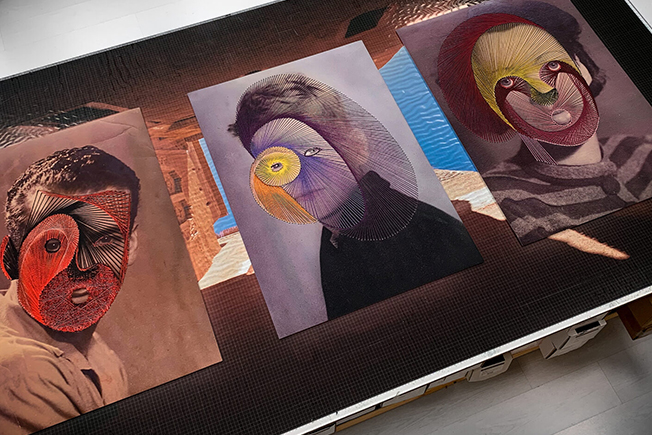







Our Work Process
Receipt or review of the file
You can send us your files so we can check the size, resolution, aspect ratio, color profile, and any potential technical limitations before printing.
Advice on paper
We’ll help you choose the most suitable substrate based on the type of image, the desired finish, and the intended use of the artwork.
Print Preparation
We tailor the workflow to the chosen paper, the final size, and the image requirements. When appropriate, we recommend running a test print.
Fine Art Giclée Printing
The artwork is printed with pigment-based inks on Fine Art paper, following a controlled color management workflow.
Quality Control
We review the final copy to check for detail, clarity, visual balance, margins, size, and finish.
Packaging and Shipping
We prepare the artwork using appropriate packaging to protect it during transport. We work with clients throughout Spain and also on international projects when necessary.
Online fine art printing with expert guidance
Although we operate out of a physical studio in Oviedo, many clients send us their files online and receive their prints via courier. This makes it possible to order Fine Art prints from Madrid, Barcelona, Valencia, Málaga, Seville, Bilbao, Zaragoza, Galicia, the Canary Islands, the Balearic Islands, or anywhere else in Spain. We also occasionally work with clients in Andorra, Italy, Luxembourg, Mexico, and the United States.
The difference is that the process isn't just about uploading a file and randomly selecting a paper stock. If you have questions about size, resolution, aspect ratio, paper stock, or finish, we can review your project before production begins.
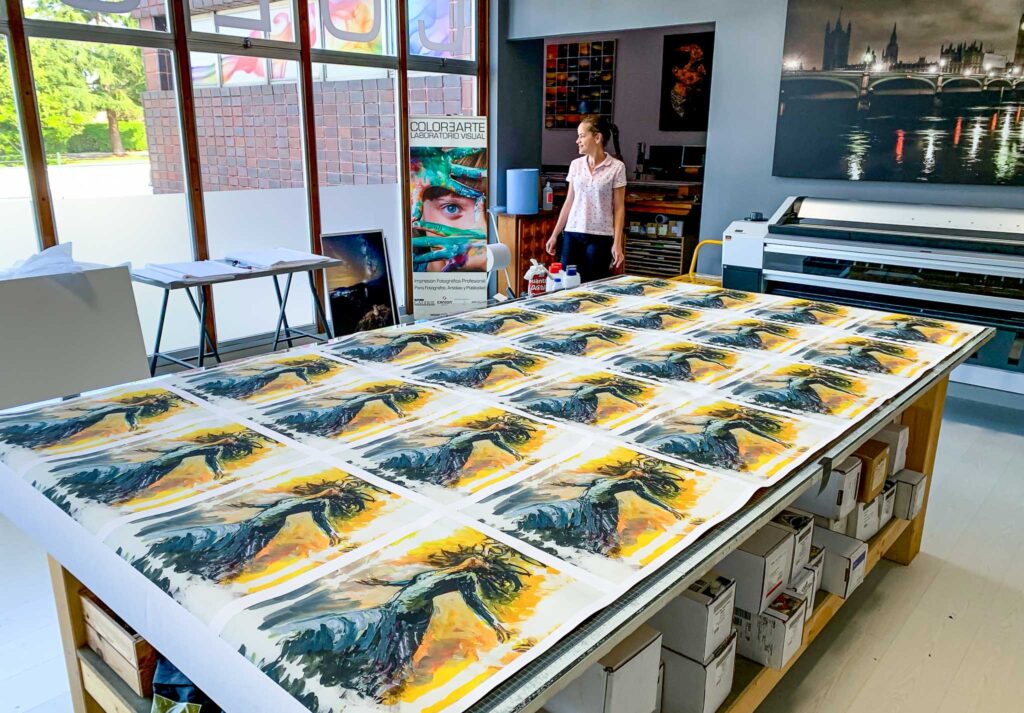
This approach is particularly useful for artists and photographers who are preparing exhibitions, submitting work to galleries, producing series for sale, or need to maintain consistent quality across different commissions.
The Difference Between Fine Art Giclée Conventional Photo Printing
Conventional photo printing may be suitable for many purposes, but it does not always meet the requirements of conservation, limited editions, or artistic presentation. Fine Art Giclée printing Giclée designed for works that require greater durability, a more refined presentation, and a medium that reflects their value.
The difference lies in the overall process: archival-quality papers, pigment-based inks, specific profiles, color management, file review, proofing when necessary, and a production process designed for fine art.
It’s not just about producing a visually appealing print. It’s about creating a piece that is true to the artist’s vision and meets the standards expected by galleries, collectors, and buyers of print art.
What you need to order a print
To prepare a quote or a print job, we need to know:
- Desired final size.
- Number of copies.
- Type of paper or finish desired.
- If the work is part of a limited edition.
- If you need a certificate of authenticity.
- If you need a preliminary test.
- Shipping destination.
- Please provide a file or reference image if you would like us to review the technical feasibility.
If you're not sure which paper to choose, you can send us the image and tell us what kind of result you're looking for. We'll help you decide based on the artwork and its intended use.
Frequently Asked Questions About Fine Art Giclée Printing
What is a Fine Art Giclée print?
This is a high-quality art print produced using pigment-based inks on archival-quality fine art paper. It is used for photography, illustration, the reproduction of graphic works, limited editions, and pieces intended for exhibition, sale, or collection.
Do "Giclée," "Giclee," and "Giclèe" mean the same thing?
Yes. The original French spelling is Giclée, with an acute accent. In online searches, it is also common to find Giclee without an accent and Giclèe with a grave accent. At Color3arte®, we use all three spellings strategically to make it easier for users to find our service, although the technically correct spelling is Giclée.
Which fine art paper should I choose?
It depends on the image and the desired result. A matte cotton paper offers a soft, elegant, and artistic look. A textured paper adds physical presence and character. A baryta paper can provide greater black depth and a more photographic look. If you’re unsure, we can help guide you after seeing the artwork.
What resolution should my file have?
Ideally, you should submit the file at its final print size and with sufficient resolution. As a general guideline, 300 dpi is an appropriate resolution for many high-quality prints, although viewing distance, image technique, and paper type also play a role.
Can I submit files in RGB?
Yes. For fine art printing, we recommend working in RGB, particularly in color spaces such as Adobe RGB (1998) or ProPhoto RGB when the workflow allows. We do not recommend converting the final file to the paper’s ICC profile; that profile should be used for on-screen proofing, not as the final color space.
Do you crop the image if it's not the right aspect ratio?
We do not automatically re-crop images, because cropping is a creative decision. If the file does not match the requested aspect ratio, it is printed proportionally to the specified long side to avoid distortion.
Can I request a proof before printing the final version?
Yes. We recommend a test print or proof when color accuracy is critical, when you are unsure which paper to choose, or when you are producing a limited edition or a piece for an exhibition.
Do you produce limited editions?
Yes. We can print limited, numbered editions, ensure consistency across copies, and issue certificates of authenticity when the project requires it.
Do you ship orders throughout Spain?
Yes. We work out of Oviedo with clients throughout Spain. We prepare the prints with appropriate packaging to protect them during shipping.
Can I calculate the price online?
Yes. You can use the Giclée printing calculator Giclée get a price estimate based on size, paper, and available options. If your project requires consultation, a limited edition, a proof, or technical review, we recommend requesting a quote.
Take the next step
If you have a piece you'd like to print in Fine Art quality, you can get a price quote online, send us your files, or ask for advice before we begin production.