

Directions
- Select the type of paper you want to use.
- Choose the size.
- Select the length of the sheet.
- Select the width of the sheet.
- Under “Image Border,” choose whether you want your image with or without a border.
- Protect your artwork with Protective Spray by selecting “Apply protection.”
- Certify your project—we provide numbered certificates.
- “Notes and Instructions”: You can add any comments you like.
- Upload your image by clicking “Select File,” and then click “Add to Cart.”


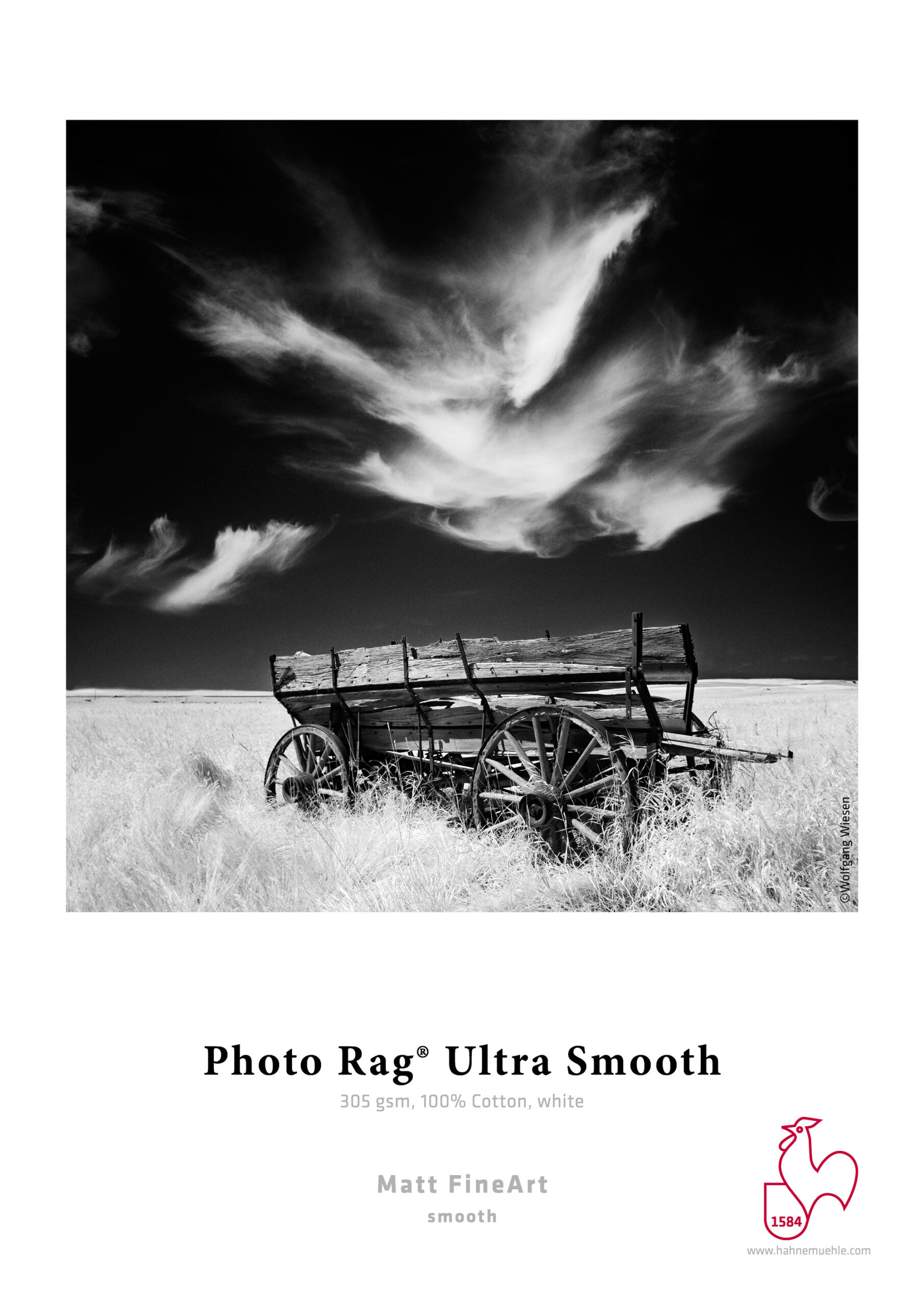


Familia de papeles Photo Rag® de Hahnemühle
Son los papeles más populares del mundo y un noble todoterreno en la producción de impresiones giclèe de gran calidad para bellas artes. Papel blanco con base de algodón, fabricado especialmente para el trabajo artístico.

Certificaciones de los Familia de papeles Photo Rag® de Hahnemühle
Conforme con la norma ISO 9706
Calidad de museo para una máxima resistencia al envejecimiento
100 % algodón
Blanco natural, No contiene blanqueadores ópticos
Hahnemühle Photo Rag® Series Hahnemühle Cotton
1,00€ (plus VAT)
Familia de papeles Photo Rag® de Hahnemühle
About Us and the Techniques We Use
We are a high-end photo lab specializing in fine art printing of photographs, illustrations, and reproductions of artwork in standard and large formats.
At Color3arte, we use the Giclée technique Giclée with the highest-quality papers, which allows us to reproduce illustrations with a higher resolution and greater color accuracy than other methods simply cannot match. A print created using this technique lasts for over 100 years without any significant color fading.
At Color3arte offer artist papers with smooth or textured surfaces, in matte, satin, glossy, pearl, high-gloss, or metallic finishes. We also offer cotton or polycotton canvases. All of these materials help give any artwork a unique look.
Images must be submitted in TIFF format: a continuous-tone file format that ensures lossless compression of the images to be printed.
We do not recommend the following file formats:
JPG/JPEG: A continuous-tone file format for lossy compression of images intended for use on the internet
However, we can print the following formats:
JPG, TIF, PSD, PDF, AI, EPS, DNG, RAW, NEF, CR2.
Size
We recommend submitting your images at print size or their original camera resolution. We print images up to 1.52 meters wide, depending on the length of the paper roll you choose.
Resolution
Please send us your files at a resolution of at least 300 dots per inch (dpi) or pixels per inch (ppi). Files with lower resolutions will not produce optimal results.
Color profile
We recommend using the Adobe 1998 profile both in-camera and in your files, as well as on your monitor.
Calibrating Your Monitor
We recommend calibrating your monitor to avoid color discrepancies when viewing your images.
ICC profiles
If you'd like to see an approximate preview of how your images will look on different types of paper, you can download the ICC profiles from this link:color3arte
Soft Proofing
To perform soft proofing and see how your photo will look on different types of paper, ensuring there are no discrepancies in color tones or contrast, follow this link:https://joanboira.com/2013/06/pruebas-en-pantalla-de-lightroom-soft-proof-tips-tricks-21/
Edge
Decide whether you want to print your image with or without a border.
When in doubt, ask
Sometimes we get frustrated trying to find a solution when the easiest, quickest, and most efficient thing to do is simply call us so we can answer your questions. Tel: 985 987 984
The termGicléewas coined in 1991 in the United States by Jack Duganne (of Nash Editions) to describe the first digital “inkjet” printing process specifically designed for the reproduction and production of fine art.
The French word Giclée,” pronounced “yiclé,” comes from the verb “gicler,” which means “to spray.” This inkjet printing technique involves depositing pigment in the form of microscopic droplets by “spraying” the substrate. This technique achieves great detail in shapes and can also produce halftones, patterns, and continuous tones.
The result is exceptionally high-quality fine art prints, using inks that ensure the image will last for several hundred years; indeed, the quality of a Giclée print surpasses that of prints produced using traditional methods, a fact recognized by various professional circles.
Thousands of photographers, painters, and illustrators use this technique to reproduce their works; as a result, museums, galleries, collectors, and art publishers around the world exhibit, sell, collect, and distribute limited-edition photographic works—in color or black and white—printed using this technology
